
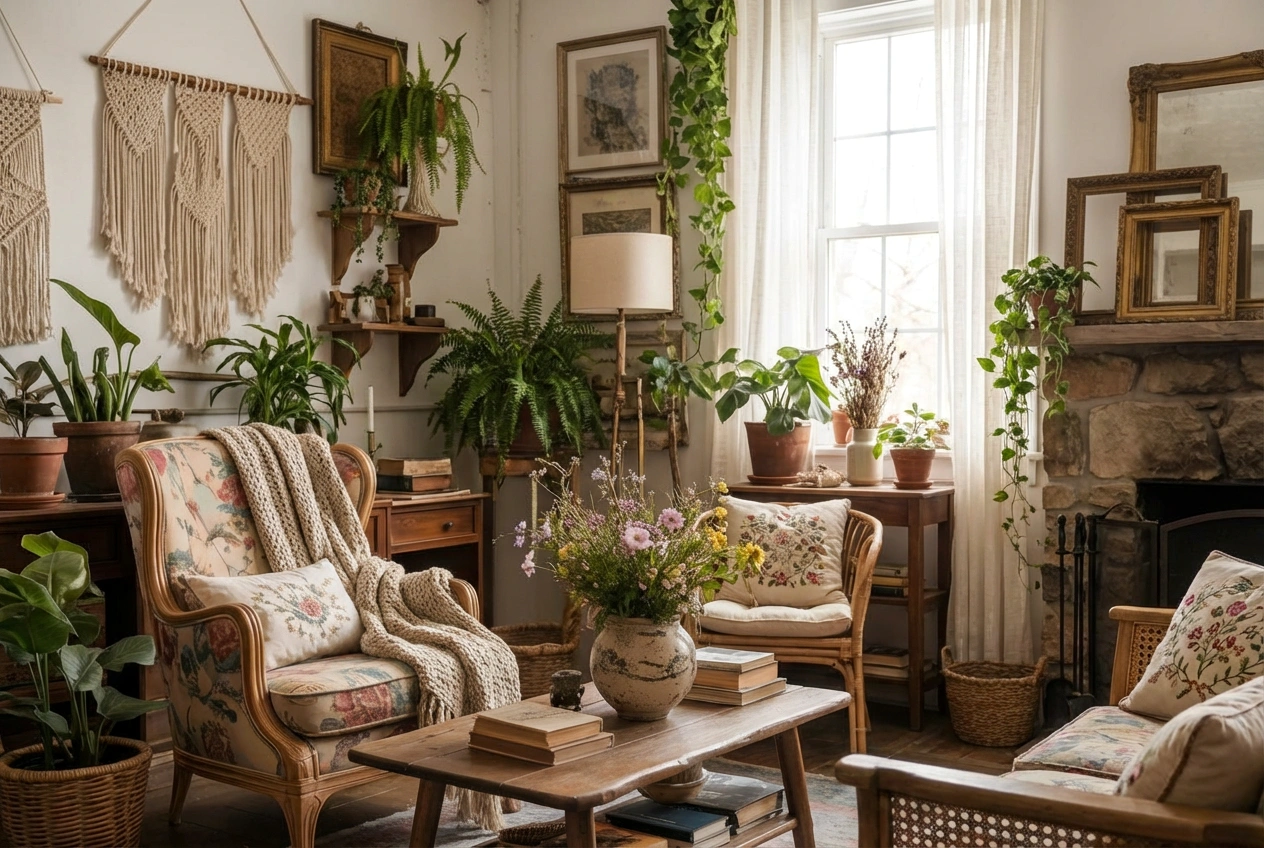
15+ Cozy Living Rooms: Whimsical Cottagecore Ideas for a Charming Retreat
Introduction to 15+ Cozy Living Rooms: Whimsical Cottagecore Ideas for a Charming Retreat
Imagine a space that feels like a warm embrace, a sanctuary woven from the threads of nostalgia, nature, and gentle living. This is the heart of the cottagecore aesthetic—a design philosophy that celebrates simplicity, craftsmanship, and a deep connection to the pastoral. More than just a trend, it’s a heartfelt invitation to slow down and savor the quiet moments. When applied to your central gathering space, it creates some of the most cozy living rooms imaginable. These charming retreats are not about perfection but about personality, where every well-loved book, hand-knit blanket, and foraged bouquet tells a story. This guide will walk you through transforming your own living area into a whimsical haven. We’ll explore how to blend rustic elements with soft, romantic touches to craft a room that is both visually enchanting and profoundly comforting. Ultimately, the goal is to design a snug sanctuary that feels authentically you—a personal haven that offers respite from the modern world’s hustle.
Why Choose Whimsical Cottagecore for Your Cozy Living Room?
Choosing the cottagecore aesthetic for your living room is about embracing an ethos of comfort and authenticity. This style stands out because it prioritizes emotional well-being and tactile pleasure over stark minimalism or fleeting trends. Firstly, it’s inherently welcoming. The use of soft, natural textiles, warm wood tones, and gentle, earthy color palettes creates an environment that feels safe and serene. Furthermore, cottagecore is exceptionally versatile and forgiving. It celebrates the beauty of imperfection—a slightly worn armchair, a mismatched vintage teacup, a wall of framed botanical prints gathered over time. This makes it an ideal choice for budget-conscious decorators and DIY enthusiasts, as the look thrives on curated, second-hand finds and personal crafts.
Moreover, this design philosophy maximizes a sense of comfort and functionality. Plush, sink-in seating, ample throw blankets, and soft, diffused lighting are not just decorative but essential for creating a nest-like atmosphere. The focus on natural materials like wood, cotton, linen, and wicker also promotes a healthier, more grounded living environment. For renters or those with small spaces, cottagecore’s emphasis on vertical gardening (like hanging ivy), multi-functional vintage furniture, and light, airy colors can make a room feel larger and more connected to the outdoors. In essence, a cottagecore living room is a holistic retreat; it’s a space designed not just to be seen, but to be felt and lived in, offering a daily dose of pastoral peace.
Key Elements & Design Components
Essential Decor Items for a Charming Cottagecore Retreat
To build your whimsical sanctuary, focus on sourcing items that feel timeless, natural, and lovingly made.
- Furniture: Seek out pieces with a sense of history. Look for vintage or distressed wood coffee tables, armchairs with curved lines and soft upholstery, and open shelving units (like a Welsh dresser) to display collections. A plush, oversized sofa in a neutral linen or a subtle floral print is the perfect anchor.
- Textiles: This is where coziness is truly woven in. Layer a variety of textures: a chunky knit throw over the sofa, a braided jute rug underfoot, linen curtains that filter the light, and an abundance of throw pillows in gingham, floral, or eyelet embroidery.
- Color Palette: Draw inspiration from a sun-drenched meadow or a forest floor. Think creamy whites, soft sage greens, buttery yellows, dusty blues, and warm terracotta. These hues work in harmony to create a calming, sun-washed effect.
- Accessories & Decor: Accessories tell your story. Incorporate dried or fresh flowers in simple jugs, stacks of hardcover books, framed antique botanical prints, and ceramic vases with imperfect glazes. Wicker baskets for storage, beeswax candles, and heirloom-quality quilts add authentic charm.
- Lighting: Avoid harsh overhead lights. Instead, use a combination of table lamps with fabric shades, fairy lights twined around a mantel or bookshelf, and pillar candles in hurricane glasses to create a soft, flickering glow in the evening.
Style Variations & Budget-Friendly Alternatives
True cottagecore spirit favors resourcefulness. You don’t need a countryside cottage or an unlimited budget to achieve the look.
- For Small Spaces/Rentals: Use removable wallpaper with a tiny floral or toile pattern to create a feature wall. Opt for furniture with legs to maintain a sense of airiness. Utilize vertical space with floating shelves for plants and books. A large mirror in a wooden frame will reflect light and make the room feel larger.
- Budget-Friendly Swaps: Instead of a large area rug, layer several smaller vintage or rag rugs. Visit thrift stores and flea markets for furniture—a simple sanding and a coat of milk paint can transform a piece. For art, forage for pretty leaves or flowers and press them in frames. Swap expensive ceramics for rustic terracotta pots.
- Modern Cottagecore Blend: To prevent the look from feeling dated, integrate clean lines. Pair a vintage rug with a modern, comfortable sofa. Choose one or two contemporary abstract art pieces to contrast with more traditional elements. This blend keeps the space feeling fresh and personal.
How to Achieve the Look: Step-by-Step Styling Guide
Follow this actionable plan to build your cozy cottagecore living room layer by layer.
Step 1: Establish Your Earthy, Sun-Washed Color Palette
Begin by choosing your foundational colors. Paint your walls in a soft, warm white or a very pale sage green. These act as a neutral canvas that mimics natural light. Then, select 2-3 accent colors from nature—like ochre, slate blue, or rosy clay—to be introduced through textiles and accessories. This palette ensures your snug space feels bright yet grounded.
Step 2: Source and Arrange Your Foundational Furniture
Arrange your key furniture pieces to encourage conversation and comfort. Place your largest seating piece (like a sofa) to face a focal point, such as a fireplace or a window with a lovely view. Angle armchairs to create a cozy nook. Use a vintage wooden trunk or a low table as a central coffee table. Ensure pathways are clear to maintain a flow that feels inviting, not cluttered.
Step 3: Layer Textures for Ultimate Comfort
This is the most crucial step for achieving a cozy atmosphere. Start with a natural fiber rug (jute, sisal, or wool). Layer a smaller, patterned rug on top. Drape soft blankets over every seating surface. Mix and match throw pillows in linen, cotton, and crochet. Hang lightweight, textured curtains. Each layer adds visual interest and physical warmth, making your lounge irresistibly snug.
Step 4: Curate Your Whimsical Decor and Collections
Display your items thoughtfully. Group like items together: a cluster of framed prints on a wall, a tray of ceramic vessels on the coffee table, a stack of books with a vase of dried lavender on a side table. Incorporate natural elements—a bowl of pinecones, a branch of budding forsythia, or a collection of interesting stones. This curated clutter feels personal and alive.
Step 5: Implement Soft, Ambient Lighting
Banish harsh light. Place table lamps on side tables and consoles to create pools of warm light where needed. String fairy lights inside a glass cloche or along a bookshelf for a magical twinkle. In the evening, light several candles (safely contained) to cast a soft, dancing glow. This lighting scheme makes the room feel intimate and relaxing as the sun sets.
Elevating the Look: Advanced Styling Tips
Once your foundation is set, these finer details will polish your charming retreat to perfection.
Pay close attention to art and wall decor. Create a salon-style gallery wall with a mix of antique botanical prints, watercolor landscapes, and perhaps a vintage tapestry. Don’t hang everything perfectly straight; a slight asymmetry enhances the collected feel. Introduce living greenery beyond simple potted plants. Train ivy to climb a corner of the room, create a mini herb garden on a sunny windowsill, or display air plants in hanging glass terrariors.
Consider the sensory experience. A diffuser with scents like lavender, rosemary, or cedarwood can enhance the pastoral atmosphere. Finally, embrace seasonal updates. Swap lighter linen throws for heavier wool ones in winter. Display pumpkins and gourds in autumn, and fill vases with blooming branches in spring. This keeps your cozy living space dynamic and connected to the rhythm of the year.
Maintenance & Care: Keeping Your Cozy Space Fresh
A cottagecore living room, full of natural materials, benefits from gentle, regular care. For wood furniture, dust with a soft cloth and use a beeswax-based polish occasionally to nourish the wood and maintain its patina. Natural fiber rugs should be shaken out regularly and spot-cleaned with a mild detergent. Linen and cotton textiles often look better with a slight wrinkle, but if washing is needed, use a gentle, natural detergent and air-dry when possible to preserve their softness.
To keep the space from feeling stale, edit your collections seasonally. Store some items away for a few months and rotate in others. This gives you a chance to rediscover treasures and maintain a fresh perspective. Freshen up dried floral arrangements every few months. A well-maintained cottagecore room isn’t sterile; it’s a lovingly cared-for home that ages gracefully, its comfort deepening over time.
FAQs: Frequently Asked Questions About Cottagecore Living Rooms
Q: Can I create a cottagecore living room in a modern apartment?
A: Absolutely! The key is blending. Use the cottagecore color palette and abundant textiles (rugs, throws, pillows) to soften modern architectural lines. Incorporate vintage or rustic decor items as accents against a contemporary backdrop. The contrast can make the cozy, whimsical elements stand out even more beautifully.
Q: I’m on a tight budget. Where should I start?
A: Focus on textiles and DIY projects first. A few strategically placed throw blankets and pillows in natural fabrics can instantly warm up a space. Visit thrift stores for unique frames, vases, and books. Try your hand at pressing flowers for art or painting a second-hand side table. Building your snug haven slowly is part of the cottagecore journey.
Q: How do I avoid my living room looking cluttered or “granny-chic”?
A: Curation and cohesion are essential. Stick to your chosen color palette to create harmony. Instead of covering every surface, group smaller items together on trays or shelves. Ensure there is some visual breathing space and balance larger, simpler pieces (like a plain sofa) with busier patterns (like a floral armchair). The goal is “collected,” not “crowded.”
Q: What are the best plants for a cottagecore living room with low light?
A: While the aesthetic loves sun-loving blooms, many plants thrive in indirect light. Consider heartleaf philodendron, pothos, snake plants, or ZZ plants. You can place them in pretty ceramic pots or macramé hangers. For a floral touch, opt for high-quality faux dried lavender or peonies that require no light at all.
Q: Is cottagecore a practical style for a family with young children or pets?
A: It can be! Choose durable, washable fabrics for upholstery, like performance linen or cotton twill. Use sturdy baskets for toy storage. Opt for indoor/outdoor rugs that are easy to clean. Keep delicate breakables on higher shelves. The lived-in, imperfect nature of the style can actually be very forgiving of the happy chaos of family life.