
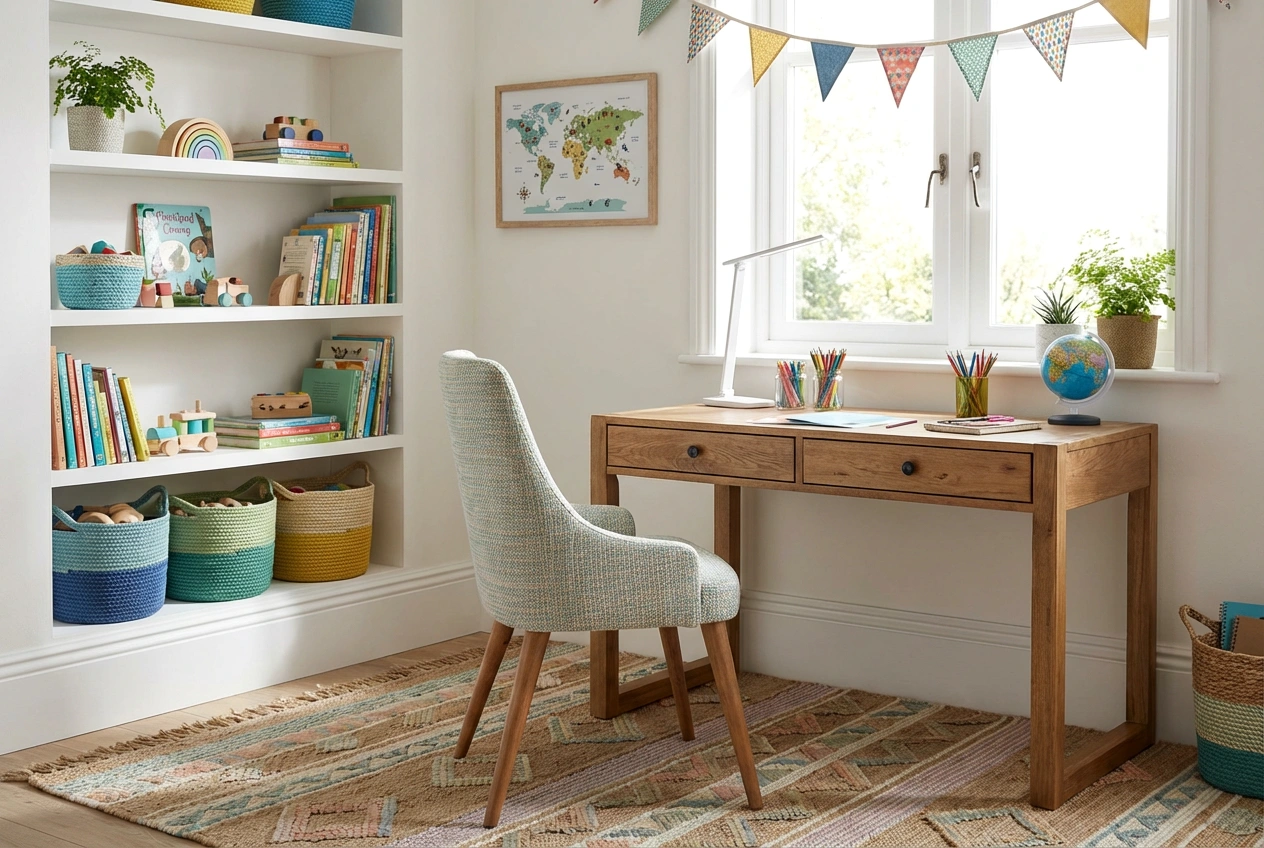
27 Exciting Kids Room Ideas with Study Table and Chair for Dynamic Study Areas
Introduction to 27 Exciting Kids Room Ideas with Study Table and Chair for Dynamic Study Areas
Creating a child’s bedroom is a magical journey of balancing boundless imagination with practical needs. At the heart of this space lies a crucial zone: the study area. A well-designed workspace with the perfect study table and chair is far more than just furniture; it’s a launchpad for creativity, a haven for concentration, and a cornerstone of their daily routine. This article unveils 27 inspiring concepts to transform your child’s room into a dynamic environment where learning and play coexist beautifully. We’ll explore how the right desk setup can foster independence, encourage organization, and reflect your child’s unique personality. From whimsical themes to sleek, modern designs, each idea prioritizes creating a functional and joyful corner dedicated to homework, art projects, and quiet reading. Ultimately, by investing thought into this dedicated zone, you’re not just decorating a room—you’re nurturing a love for learning and providing a stable, inspiring foundation for your child’s growth and dreams.
Why Choose a Dynamic Study Area for Your Child’s Space
Integrating a dedicated, well-planned study nook into your child’s bedroom offers profound benefits that extend far beyond aesthetics. Firstly, it establishes clear boundaries between play, rest, and work, which is essential for developing good habits and time management skills. A designated desk and chair set signals to a child that this is their special place for focus and creation, minimizing distractions and boosting productivity. Furthermore, a dynamic study area promotes organization. With built-in storage for books, supplies, and tech, children learn to take ownership of their space and materials, fostering a sense of responsibility.
From a developmental perspective, an ergonomically designed children’s desk and chair supports proper posture, reducing physical strain during long study sessions and contributing to overall comfort and health. Emotionally, a personalized workspace that reflects their interests—be it through color, theme, or decor—makes learning feel personal and enjoyable, thereby increasing engagement. This area becomes a sanctuary for self-expression, where school projects feel like passion projects. Consequently, by thoughtfully curating this corner, you provide a tangible tool for success, blending functionality with a dose of inspiration to create a room that grows and adapts alongside your child.
Key Elements & Design Components
Essential Decor Items for a Dynamic Kids’ Study Area
Crafting the perfect study corner requires a blend of key pieces that marry form and function. The anchor of this space is, undoubtedly, the study table and chair. Look for an adjustable kids’ desk that can grow in height with your child, featuring a spacious work surface and, ideally, built-in storage like drawers or shelves. Pair it with an ergonomic task chair that provides proper lumbar support and can be adjusted for seat height.
Beyond the core furniture, layered lighting is non-negotiable. A bright, adjustable desk lamp is essential for reducing eye strain during homework. Additionally, incorporate ample and accessible storage solutions: wall-mounted shelves for books and trophies, colorful bins or baskets for supplies, and a pinboard or magnetic wall for displaying artwork and reminders. Personalization elements are what transform a workstation into a dynamic study area. This includes themed decor, a comfortable rug to define the zone, inspiring wall art, and organizational tools like fun pencil holders and file sorters that make tidying up appealing.
Style Variations & Budget-Friendly Alternatives
The beauty of these ideas lies in their adaptability. For a small room, consider a wall-mounted fold-down desk or a compact corner writing desk that maximizes floor space. A loft bed with a built-in study station underneath is another brilliant space-saving solution. For siblings sharing a room, a long, shared worktable with individual storage carts can create a communal yet personal workspace.
On a budget? Creativity is your best tool. Upcycle a vintage table with a fresh coat of paint to create a unique homework station. Use crates or stackable storage cubes as both shelving and a desk base. Instead of expensive themed decor, create a gallery wall with your child’s own drawings or use removable wallpaper on a single accent wall behind the study nook. A simple, sturdy table from a second-hand store paired with a new, comfortable chair cushion can be just as effective as a high-end set. Remember, the goal is to create a functional, inspiring space, not necessarily a perfect catalog image.
How to Achieve the Look: Step-by-Step Styling Guide
Step 1: Assess Space and Define the Zone
Begin by evaluating the room’s layout. Identify a quiet corner with good natural light, if possible, away from the main play area or bed. Use a rug, a different wall color, or even a change in flooring to visually define the study area. This psychological separation is key to creating a focused environment.
Step 2: Select the Core Furniture (Desk & Chair)
Choose a study table and chair that fits the scale of the zone and your child’s size. Prioritize ergonomics: the desk height should allow elbows to rest at a 90-degree angle, and feet should flatly touch the floor (or a footrest). An adjustable chair is a wise long-term investment. Ensure the work surface is large enough for a laptop and textbook to be open simultaneously.
Step 3: Plan for Ample and Smart Storage
Clutter is the enemy of concentration. Plan storage based on need: deep drawers for notebooks, shallow ones for stationery, open shelves for frequently used books, and hidden bins for lesser-used items. Install shelves above the children’s desk to keep the work surface clear. Label bins with pictures or words to encourage independent clean-up.
Step 4: Layer the Lighting
Overhead lighting is often insufficient for detailed work. Introduce a dedicated desk lamp with adjustable brightness and a cool-to-warm light range. Position it opposite the child’s writing hand to prevent shadows. For ambient light, consider a small floor lamp or string lights to add a cozy glow to the study nook during evening hours.
Step 5: Personalize and Inspire
This is where the space comes to life. Let your child lead the way. Incorporate their favorite colors through accessories, a chair cushion, or desk organizers. Add a pinboard for schedules and art, hang framed inspirational quotes, or use removable decals on the wall. A small plant can add life and teach responsibility.
Step 6: Prioritize Cable Management and Tech Integration
A tidy space is a calm space. Use adhesive cable clips, zip ties, or a desk grommet to manage cords from lamps, chargers, and computers. If the homework station includes a computer, ensure the monitor is at eye level to avoid neck strain. Designate a specific spot for charging devices outside of the immediate work zone if possible.
Step 7: Incorporate Flexible and Fun Seating
While the primary task chair should be ergonomic, consider adding a fun alternative like a bean bag, floor cushion, or a small rocking chair in a nearby corner for reading breaks. This provides a change of scenery without leaving the dedicated learning zone.
Elevating the Look: Advanced Styling Tips
To truly make the study area exceptional, focus on the details that add sophistication and enhanced functionality. First, consider a cohesive color story; instead of one bright color, use a palette of 2-3 complementary shades for the desk and chair set, storage, and decor to create a more curated, calm feel. Next, mix materials for visual interest: pair a wooden desk with metal shelving and a fabric chair, or a white lacquer desk with natural woven baskets.
Advanced lighting can dramatically elevate the mood. Install LED strip lighting under shelves for a modern, functional glow that also serves as a night light. For art display, move beyond a basic corkboard. Use a magnetic paint wall behind the study station for a sleek way to display work, or install a picture rail with clips for an easily changeable gallery. Furthermore, integrate technology seamlessly with a built-in USB charging port in a desk drawer or a dedicated tablet stand. Finally, don’t forget the ceiling—a unique pendant light or a simple mobile above the desk can draw the eye upward and add an artistic touch to the entire dynamic study area.
Maintenance & Care: Keeping Your Space Fresh
A child’s study area sees heavy use, so easy maintenance is crucial. For the study table and chair, choose wipe-clean surfaces like laminate, sealed wood, or plastic. Apply a protective sealant to painted desks if needed. Establish a daily “5-minute reset” habit with your child to clear the work surface and put supplies away, preventing clutter buildup.
Textiles like chair cushions, curtains, and rugs in the study nook should be machine-washable or have removable, washable covers. Regularly check and tighten any bolts or screws on adjustable furniture to ensure safety. To keep the space feeling new and exciting, implement seasonal “refreshes”: rotate the art on the walls, swap out cushion covers for a new color, or introduce a new organizational tool every few months. This not only maintains a tidy space but also renews your child’s interest in their special homework station.
FAQs: Frequently Asked Questions About Kids’ Study Areas
Q: What is the ideal size for a kids’ desk?
A: The ideal kids’ desk should have a work surface at least 24 inches deep and 36 inches wide to comfortably accommodate a computer, textbook, and workspace. However, for smaller rooms, a depth of 20 inches can work if paired with wall shelves.
Q: How can I create a study area in a very small bedroom?
A: Utilize vertical space and multi-functional furniture. A wall-mounted, fold-down desk is perfect for tiny rooms. Alternatively, use a narrow console table as a writing desk, or choose a bed with built-in drawers and a headboard that incorporates a shelf for a study nook.
Q: My child won’t sit still at their desk. What can I do?
A: First, ensure the desk and chair are ergonomically correct for their size—discomfort is a major deterrent. Then, incorporate movement: an ergonomic stool that allows slight wobbling, a discreet under-desk fidget bar, or scheduled five-minute movement breaks can make a huge difference.
Q: What are some good color schemes for a study area to promote concentration?
A: While bright colors are fun, softer, calming hues are better for focus. Greens and blues are known to be calming and conducive to concentration. Use brighter colors as accents in accessories. Natural wood tones and white create a clean, distraction-free backdrop for a dynamic study area.
Q: How much should I involve my child in designing their study space?
A: Involve them heavily! Giving them choices within your parameters (e.g., “Which of these two chair colors do you prefer?” or “Let’s pick art for your pinboard together”) fosters ownership. They are more likely to use and care for a space they helped create.