
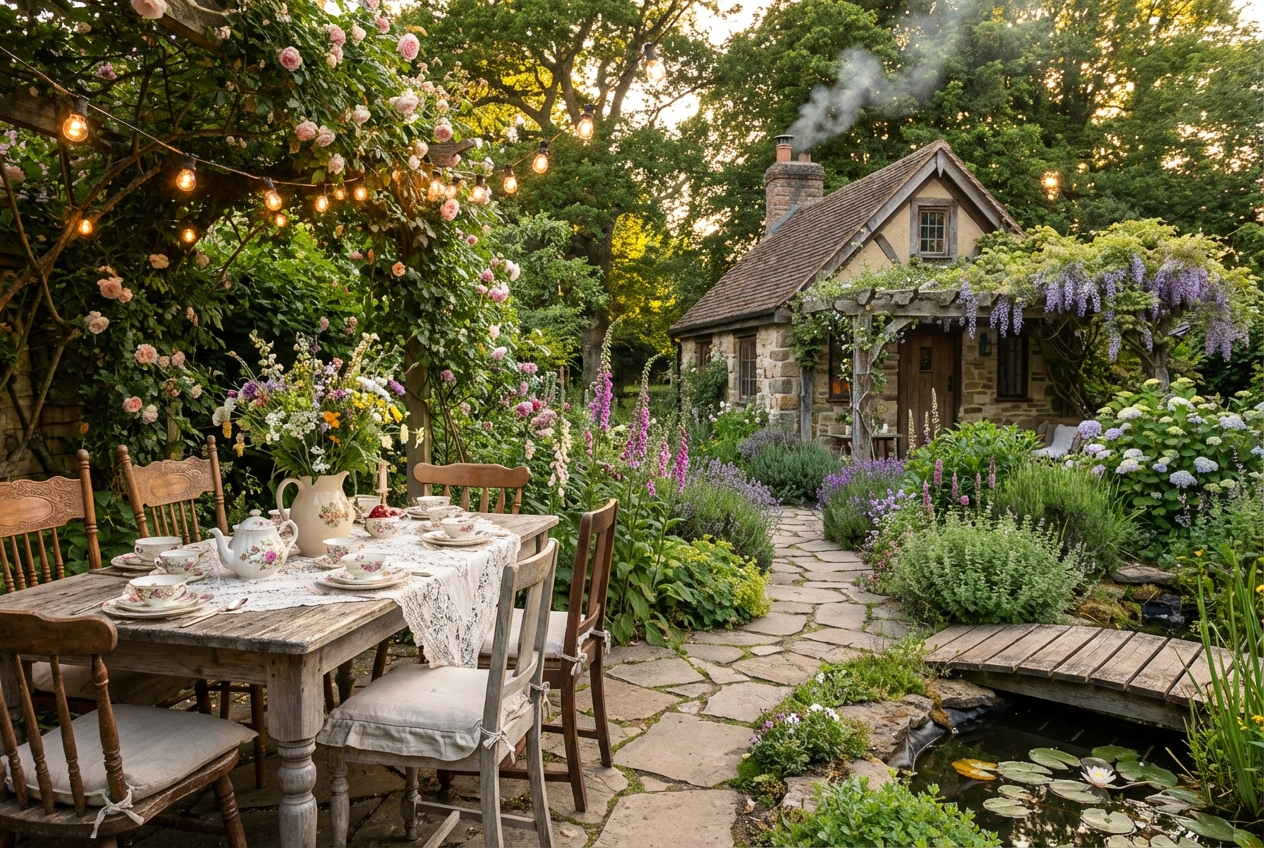
20 Cozy Cottagecore Outdoor Ideas Backyard for a Rustic Paradise Retreat 🌸🌿
Introduction to 20 Cozy Cottagecore Outdoor Ideas Backyard for a Rustic Paradise Retreat 🌸🌿
Imagine stepping into a living storybook, where time slows down and nature’s gentle rhythm sets the pace. This is the heart of the cottagecore aesthetic—a celebration of pastoral simplicity, handmade charm, and a deep, soulful connection to the earth. More than just a trend, it’s a philosophy that invites us to cultivate beauty, comfort, and sustainability in our daily lives. When applied to your outdoor ideas backyard, this style transforms a simple garden or patio into a personal sanctuary, a rustic paradise where you can unwind, create, and reconnect.
This guide is your invitation to weave that magic into your own exterior spaces. We will explore twenty enchanting outdoor backyard ideas that blend nostalgia with nature, turning your plot into a cozy, productive, and utterly charming retreat. Whether you have a sprawling lawn or a modest balcony, the cottagecore ethos can flourish. It’s about embracing imperfections, favoring natural materials, and creating pockets of joy that appeal to all the senses. From the soft hum of bees among flowers to the rustic texture of weathered wood, every element works in harmony. Let’s embark on a journey to craft an outdoor space that feels less like a curated showroom and more like a beloved, lived-in haven, brimming with life and personal history.
Why Choose Cottagecore for Your Backyard Space
In a world that often feels fast-paced and digital, the cottagecore backyard offers a powerful antidote: a tangible, serene escape right outside your door. This style is profoundly effective because it prioritizes emotional well-being and sensory pleasure over stark minimalism or high-maintenance glamour. It’s a design choice that feels inherently welcoming and personal.
Firstly, cottagecore is the epitome of comfort and authenticity. Your outdoor living area becomes an extension of a cozy home, filled with soft textiles, plush seating, and warm, dappled light. It’s a space that encourages you to linger—to enjoy a slow morning coffee, lose yourself in a book for an afternoon, or share stories under the stars. This aesthetic also champions visual harmony by working with nature, not against it. Instead of rigid, formal layouts, cottagecore gardens flow organically, with meandering paths, climbing vines, and plants that spill generously over edges. This creates a sense of abundance and life that is both calming and uplifting.
Furthermore, this approach is wonderfully adaptable and often budget-friendly. It celebrates DIY projects, upcycled furniture, and heirloom pieces, making it accessible to renters and homeowners alike. You can start small with a container herb garden or a single vintage bench. Ultimately, choosing cottagecore for your backyard design is about creating a sanctuary that nourishes your soul. It’s a space that tells your story, honors the seasons, and provides a peaceful retreat where you can truly breathe.
Key Elements & Design Components
Essential Decor Items for a Cottagecore Backyard
To cultivate the cottagecore vibe in your outdoor space, focus on items that feel timeworn, natural, and purposefully quaint.
- Furniture: Seek out pieces with a story. Weathered wooden benches, wrought-iron bistro sets with a touch of rust, or a salvaged farmhouse table are perfect. Look for wicker or rattan armchairs with deep, soft cushions. A classic porch swing is the ultimate cottagecore icon.
- Textiles: Layer softness everywhere. Use outdoor-rated cushions and pillows in gingham, floral, or linen fabrics. Drape chunky knit blankets over chairs for cooler evenings. A simple, washable cotton rug can define a seating area on a patio.
- Materials: Embrace natural textures. Wood (especially cedar, pine, and reclaimed barn wood), stone, terracotta, wrought iron, and wicker should be your go-to materials. Avoid sleek plastics and metals.
- Accessories & Lighting: Create ambient glow with fairy lights strung through trees, lanterns with real or LED candles, and solar-powered mason jar lights. Incorporate functional decor like a vintage watering can, ceramic bird baths, and rustic wooden planters.
- Floral & Greenery: This is non-negotiable. Cultivate a mix of climbing roses, clematis, lavender, rosemary, and daisies. Let herbs like mint and thyme spill from pots. Add structure with foxgloves, hollyhocks, and flowering shrubs.
Style Variations & Budget-Friendly Alternatives
The beauty of cottagecore is its flexibility. For a French country twist, incorporate more refined wrought iron, a palette of sage green and cream, and lavender fields. A wild English garden variation leans into total abundance, with less structure and more native, pollinator-friendly plants.
For those on a budget or with rental restrictions, creativity is key:
* Furniture: Upcycle old wooden pallets into a sofa frame or side table. Sand and stain second-hand furniture instead of buying new.
* Planting: Grow from seeds or cuttings, and swap plants with friends. Use thrifted colanders, teapots, or boots as quirky planters (just add drainage holes).
* Decor: Make your own bunting from fabric scraps. Paint simple terracotta pots with folk art designs. Collect interesting stones, pinecones, and feathers for natural table displays.
* Space-Saving: If you have a small patio or balcony, focus vertically. Use wall-mounted planters, a tall, narrow shelving unit for potted herbs, and hanging baskets to create a lush, enveloping feel.
How to Achieve the Look: Step-by-Step Styling Guide
Follow these steps to methodically build your rustic paradise.
Step 1: Define Your Zones and Flow
Walk your backyard area and envision how you want to use it. Do you need a dining spot, a quiet reading nook, a gardening corner, or a fire pit gathering area? Sketch a loose plan. Cottagecore zones should feel discovered, not rigidly plotted. Use meandering gravel or stepping stone paths to connect them.
Step 2: Establish a Natural, Earthy Color Palette
Choose a foundation inspired by the landscape: soft greens, warm browns, creamy whites, and sky blues. Then, add accents from the garden: dusky pink, lavender, butter yellow, and robin’s egg blue. Paint fences or furniture in muted, chalky tones. This palette unifies your outdoor design and creates a serene backdrop.
Step 3: Source and Place Foundational Furniture
Arrange your key furniture pieces—a table, seating, a bench—in your defined zones. Place them on stable, level ground, often under the dappled shade of a tree or against a wall covered in ivy. Avoid symmetrical, formal arrangements; angle a bench toward a flower bed, or create a conversational circle around a central tree.
Step 4: Layer in Lush, Abundant Planting
This is where the magic happens. Plant in generous drifts, not single-file rows. Mix heights and textures: tall foxgloves at the back, bushy lavender in the middle, and creeping thyme at the edges. Dedicate a section to edible plants—herbs, strawberries, lettuce—for that practical, productive cottage feel. Don’t forget to add climbers like jasmine or sweet peas to arches and fences.
Step 5: Add Softness with Textiles and Seating
Make every seat inviting. Pile weather-resistant cushions and pillows onto benches and chairs. Drape a soft blanket over the arm of an Adirondack chair. An outdoor rug, even a small one, instantly makes a stone patio feel cozier and more like an outdoor room.
Step 6: Illuminate with Twinkling, Gentle Lighting
As dusk falls, your backyard oasis should transform. Weave fairy lights through tree branches or along a pergola. Place solar-powered lanterns along pathways. Hang a rustic chandelier (made for outdoors) over your dining table. The goal is a soft, golden glow that mimics fireflies, not bright security lighting.
Step 7: Personalize with Handmade and Vintage Details
This step infuses your soul into the space. Display your painted pots, handmade bunting, or a curated collection of vintage bottles on a shelf. Use an old ladder as a plant stand. Hang a whimsical sign. These personal touches are the heart of cottagecore, making your retreat uniquely yours.
Elevating the Look: Advanced Styling Tips
To take your cottagecore backyard ideas from lovely to truly enchanting, consider these polished touches.
Create “rooms” within your garden using natural dividers. A low, wicker fence can separate the vegetable patch from the lounging area. A curtain of willow branches or a tall stand of sunflowers can create a secret nook. Furthermore, engage all the senses beyond sight. Plant fragrant herbs and flowers like rosemary, lilac, and night-scented stock. Add a simple water feature, like a recirculating birdbath or a small fountain, for the soothing sound of trickling water. For wildlife, install a bee hotel or a shallow dish for birds.
Think vertically to maximize space and impact. Train climbing roses or beans up a homemade obelisk. Use a vintage wooden shutter mounted on a wall as a backdrop for hanging small potted succulents or herbs. Finally, embrace the art of “productive decor.” A beautifully crafted compost bin, a rain barrel painted with a floral motif, or a well-maintained tool shed with climbing plants can be both functional and charming, deepening the narrative of a lived-in, working garden.
Maintenance & Care: Keeping Your Space Fresh
A cottagecore garden thrives on a little loving attention, which is part of its charm. Focus on seasonal rhythms. In spring, refresh mulch, divide perennials, and sow annual seeds. Summer is for daily watering (focusing on the roots, not the leaves), deadheading flowers, and harvesting herbs. Autumn involves planting bulbs for spring, collecting seeds, and cutting back some perennials. Leave some seed heads for winter interest and bird food.
For furniture and textiles, regular care extends their life. Brush off cushions and shake out rugs weekly. Treat wooden furniture annually with a protective oil suitable for outdoor use. Store plush blankets and extra pillows in a dry deck box during prolonged wet weather. Embrace the natural patina that comes with time—a little moss on a stone path, the fading of fabric in the sun—these elements add to the authentic, storied feel of your rustic retreat. The goal isn’t sterile perfection, but a healthy, joyful space that evolves with you.
FAQs: Frequently Asked Questions About Cottagecore Backyards
Q: Can I create a cottagecore backyard in a very small space or on a balcony?
A: Absolutely! The cottagecore aesthetic is about feel, not acreage. Focus on vertical gardening with hanging baskets and wall planters. Use a single, statement piece of rustic furniture, like a bistro set, and surround it with pots overflowing with flowers and herbs. Even a tiny outdoor area can become a lush, immersive retreat.
Q: Isn’t a cottagecore garden high maintenance?
A: It can be as relaxed as you make it. Opt for native, drought-resistant perennials that thrive in your climate with less water. Use mulch to suppress weeds and retain moisture. Choose self-seeding flowers like calendula or poppies that come back year after year with little effort. The “wild” look is forgiving.
Q: How can I incorporate cottagecore on a tight budget?
A: Cottagecore is ideal for budget decor! For your backyard design, forage for natural decor (pinecones, branches), upcycle furniture from flea markets, grow plants from seeds or cuttings, and swap divisions with gardening friends. DIY projects like making your own plant markers or painting terracotta pots add personal charm without cost.
Q: I live in a modern house. Will a cottagecore backyard look out of place?
A: Not at all. Think of your garden as a contrasting, soothing escape from modern lines. You can create a cohesive look by using a more muted color palette that complements your home’s exterior and by defining the cottagecore space with planting and pathways, making it feel like a separate, enchanting world.
Q: What are the best plants to start with for a beginner cottagecore garden?
A: Start with easy, hardy, and classic choices: Lavender (for scent and structure), Sunflowers (for dramatic height and joy), Nasturtiums (edible and they sprawl beautifully), Mint (vigorous and great for tea), and Catmint or Salvia (pollinator magnets that bloom for months). These will give you quick, rewarding results.