
Color Harmony Palettes: Rustic Green Living Room Ideas & Timeless Whole House Trends
Introduction to Color Harmony Palettes: Rustic Green Living Room Ideas & Timeless Whole House Trends
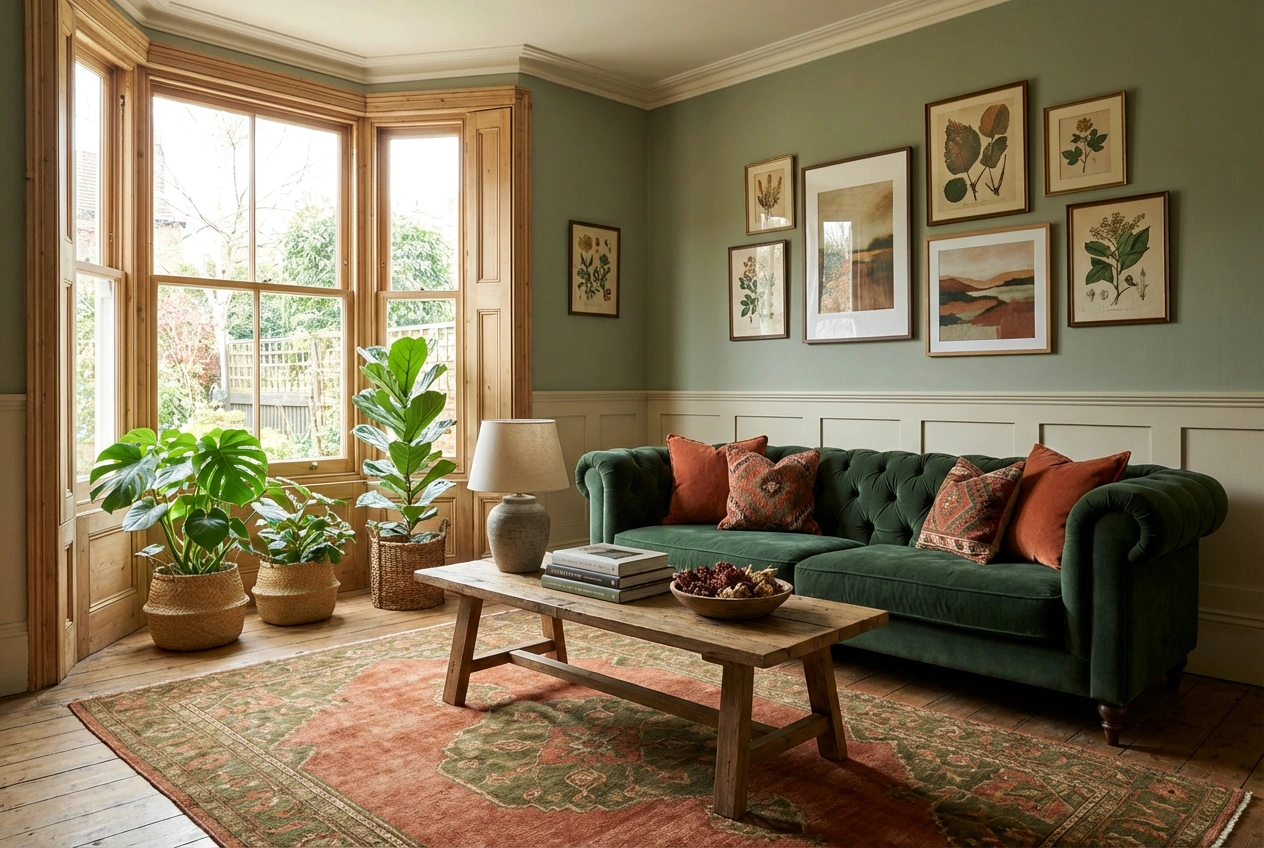
Imagine a space that feels like a serene escape, a room that wraps you in comfort while connecting you to the natural world. This is the essence of a rustic green living room, a design concept that masterfully blends the raw, organic textures of rustic style with the calming, restorative power of green hues. Consequently, this palette isn’t just a fleeting trend; it’s a timeless approach to creating a home that feels both grounded and rejuvenating. By focusing on color harmony, we can extend this soothing aesthetic from a single sanctuary to create a cohesive, flowing narrative throughout your entire home. The magic lies in the balance—pairing the rugged charm of reclaimed wood and natural stone with the lush spectrum of greens, from deep forest and sage to soft olive and muted eucalyptus. Ultimately, this style transforms your living area into a personal retreat, a place where stress melts away and a sense of peaceful stability takes root. Whether you’re a homeowner seeking a lasting refresh or a renter looking for impactful, non-permanent changes, embracing this natural-inspired decor offers a profoundly transformative experience for your daily life.
Why Choose a Rustic Green Living Room for Your Space?
Opting for a rustic green living room is a decision that pays dividends in comfort, visual appeal, and emotional well-being. Firstly, this style is inherently cozy and welcoming. The rustic elements—think exposed beams, chunky knit throws, and weathered leather—create a tactile, lived-in feel that invites relaxation. Simultaneously, the color green, deeply rooted in nature, is psychologically proven to reduce stress and promote tranquility. When combined, they forge a sanctuary that feels both protective and expansive.
Furthermore, this aesthetic offers remarkable versatility and longevity. Unlike ultra-modern trends that can quickly date, the natural materials and earthy tones of a nature-inspired lounge possess a classic, enduring quality. They provide a neutral yet character-rich backdrop that allows you to layer in personal artifacts, seasonal accents, or pops of other colors without losing the core identity of the space. For those concerned with functionality, this palette is exceptionally forgiving and practical; natural material patinas and the varied tones of green can cleverly disguise the minor wear and tear of daily life.
Moreover, this approach champions sustainability and authenticity. By incorporating reclaimed wood, natural fibers, and vintage finds, you create a space with soul and history. Ultimately, a woodland-inspired living area does more than just look beautiful; it cultivates an atmosphere of harmony, making your home a true haven from the outside world.
Key Elements & Design Components
Essential Decor Items for a Rustic Green Sanctuary
To authentically build your rustic green living room, focus on curating a mix of materials, colors, and textures that tell a cohesive story. Here are the essential components:
- The Green Palette: This is your foundation. Build around a primary green shade—like a deep hunter or a muted sage—and complement it with analogous tones (blues, yellows) or earthy neutrals. Consider a feature wall in a rich green, or use it generously in upholstery and textiles.
- Natural & Reclaimed Wood: This is the “rustic” backbone. Look for pieces in oak, pine, or walnut with visible grain, knots, or a distressed finish. A large reclaimed wood coffee table, exposed beams, or a sideboard with character are perfect anchors.
- Textural Textiles: Layer coziness with a variety of fabrics. Incorporate chunky wool or cable-knit throws, linen or cotton blend curtains, a jute or sisal rug, and velvet or corduroy cushions in complementary greens and neutrals.
- Stone & Iron Accents: Introduce cool, solid textures with a stone fireplace surround, slate coasters, or marble side tables. Wrought iron or blackened steel in lighting fixtures, table bases, or curtain rods adds industrial contrast.
- Organic Accessories: Decorate with items from nature. Use woven baskets for storage, display pottery or ceramic vases, add piles of books with natural covers, and incorporate greenery through large potted plants (like fiddle-leaf figs or monsteras) and dried botanicals.
- Warm, Layered Lighting: Avoid harsh overhead lights. Instead, use a combination of a statement pendant or chandelier (perhaps with iron or wood details), several table lamps with fabric shades, and floor lamps to create pools of warm, inviting light.
Style Variations & Budget-Friendly Alternatives
The beauty of this earthy green lounge concept is its adaptability. For smaller spaces or apartments, focus on lighter shades of green like sage or seafoam to keep the room feeling airy, and choose multifunctional furniture. Renters can achieve the look with removable green wallpaper decals, slipcovers for existing sofas, and an abundance of textiles and plants that can move with them.
On a budget? Fantastic results are still within reach. Firstly, shop second-hand for solid wood furniture—a little sanding and a new stain can work wonders. Instead of expensive stone, use textured paint techniques or peel-and-stick tiles for a fireplace accent. Furthermore, you can source affordable textiles from major retailers and paint your own thrift-store art frames in coordinating greens. The key is to invest in one or two quality statement pieces, like a good rug or a comfortable sofa in your chosen green, and build around them with more affordable finds.
How to Achieve the Look: Step-by-Step Styling Guide
Crafting your perfect rustic green living room is a rewarding process. Follow this step-by-step guide to build your space with intention and harmony.
Step 1: Define Your Green Color Palette
Begin by selecting your dominant green hue. Do you want a dark, dramatic feel (forest, emerald) or a light, airy one (sage, olive)? Once chosen, build a simple palette around it. For example, pair a deep green with warm creams, charcoal gray, and touches of cognac leather. Alternatively, a sage green looks beautiful with whitewashed wood, beige linen, and brass accents. Gather paint swatches, fabric samples, and images to ensure your colors work together harmoniously.
Step 2: Establish the Furniture Layout & Anchor Pieces
Plan your layout for both conversation and flow. Typically, the largest piece, like a sofa, anchors the room. In your nature-inspired lounge, opt for a sofa in a neutral fabric or, for a bolder statement, in your chosen green. Position it to face a focal point, like a fireplace or a large window. Then, add complementary pieces: a substantial wood coffee table, a pair of armchairs in a complementary texture (like leather or woven cane), and functional storage like a bookshelf or media console in a rustic finish.
Step 3: Layer in Textures with Rugs and Textiles
This step is where the cozy, rustic feel truly comes alive. Start with a natural fiber rug (jute, sisal) or a patterned wool rug with earthy tones. Layer your seating with textiles: drape a chunky knit throw over the sofa arm, add an assortment of cushions in linen, velvet, and wool in your palette. Finally, hang floor-to-ceiling curtains in a light, airy fabric to soften windows and add vertical texture.
Step 4: Incorporate Lighting for Atmosphere
Lighting sets the mood. Install a central fixture with rustic character, such as a wagon wheel chandelier or a pendant with a rattan shade. Then, strategically place at least three other light sources. Use a floor lamp next to a reading chair, table lamps on side tables, and perhaps even LED candles on the mantel. Always choose warm-white bulbs to enhance the cozy, inviting glow of your woodland-inspired living area.
Step 5: Accessorize with Nature and Personality
Finally, add the layers that make the space uniquely yours. Style your coffee table with a stack of books, a wooden tray, and a ceramic vase with fresh eucalyptus. Fill baskets with extra blankets. Hang art that reflects nature—botanical prints, landscapes, or abstract pieces in your color scheme. Most importantly, incorporate living plants in various sizes; they are the ultimate accessory for a rustic green living room, purifying the air and reinforcing the connection to the outdoors.
Elevating the Look: Advanced Styling Tips
Once your foundation is set, these advanced tips will add polish and depth to your earthy green lounge.
- Play with Sheen and Finish: Mix matte finishes (on walls, linen) with moments of shine. A vintage brass mirror, polished stone on a side table, or glass lamp bases can reflect light and add sophistication.
- Create Vertical Interest: Draw the eye upward by hanging curtains higher than the window frame, installing floating shelves to display collections, or incorporating a tall, dramatic floor plant or an antique ladder leaned against the wall.
- Curate a Collected Gallery Wall: Instead of matching frames, use an assortment of wood, black, and gold frames to display a mix of botanical art, family photos in sepia tones, and small woven wall hangings. This adds a personal, curated history to the space.
- Introduce a Contrasting Accent Color: While the palette is harmonious, a small dose of a contrasting color can be striking. Consider deep burgundy, terracotta, or mustard yellow in a single cushion, a piece of art, or a ceramic vase to add a dynamic focal point.
Maintenance & Care: Keeping Your Space Fresh
Maintaining the serene appeal of your rustic green living room is straightforward with a consistent care routine. For wood furniture, dust regularly with a microfiber cloth and use a specific wood cleaner or a DIY solution of olive oil and vinegar for occasional nourishment. Treat leather upholstery with a conditioner to prevent cracking. Natural fiber rugs should be vacuumed without a beater bar and spot-cleaned immediately; for deeper cleans, professional services are recommended.
To keep the look feeling fresh, embrace seasonal rotations. In warmer months, switch out heavier wool throws for lighter cotton or linen versions, and add brighter greenery or sun-bleached shells. In autumn, layer in more textured blankets and swap cushion covers for richer, deeper tones like burnt orange or plum. Regularly pruning and tending to your living plants is also crucial; conversely, healthy, vibrant plants are the lifeblood of this aesthetic. Finally, don’t be afraid to edit. A timeless nature-inspired lounge benefits from occasional decluttering and rearranging accessories to prevent the space from feeling stagnant.
FAQs: Frequently Asked Questions About Rustic Green Living Rooms
Q: Will a rustic green living room make my small space feel darker or smaller?
A: Not necessarily! The key is shade selection. Opt for lighter, muted greens like sage, seafoam, or celadon, and use them strategically as accents rather than on all walls. Pair them with plenty of light-reflecting neutrals on walls and ceilings, and ensure you have ample, layered lighting to keep the space bright and airy.
Q: I love the idea, but I’m on a tight budget. Where should I start?
A: Begin with paint and plants. A single accent wall in a beautiful green is a low-cost, high-impact change. Then, invest in a variety of indoor plants and thrifted pots. Next, look for second-hand wooden furniture to refinish. Finally, add texture with affordable throws and cushions from discount home stores. Building your rustic green living room slowly is perfectly fine!
Q: What other colors pair well with rustic green?
A: Green is incredibly versatile. It pairs beautifully with earthy neutrals like cream, beige, taupe, and brown. For contrast, try navy blue, burgundy, or terracotta. Metals like wrought iron, black steel, brass, and copper all complement the palette wonderfully.
Q: How can I make the style feel more modern and less “cabin-like”?
A: To modernize the woodland-inspired living area, focus on cleaner lines in your furniture selections. Choose a sofa with a simple silhouette, incorporate sleek black metal accents, use geometric patterns in your textiles sparingly, and keep accessories minimal and curated. The combination of the rustic green palette with more contemporary forms creates a sophisticated, updated look.
Q: Is this style suitable for a family home with kids and pets?
A: Absolutely! In fact, the rustic green living room is often ideal for busy households. The earthy color palette is forgiving of stains and wear, and durable materials like leather, performance fabric upholstery, and solid wood can withstand heavy use. Choose washable slipcovers and indoor/outdoor rugs for high-traffic zones to combine style with practicality.