
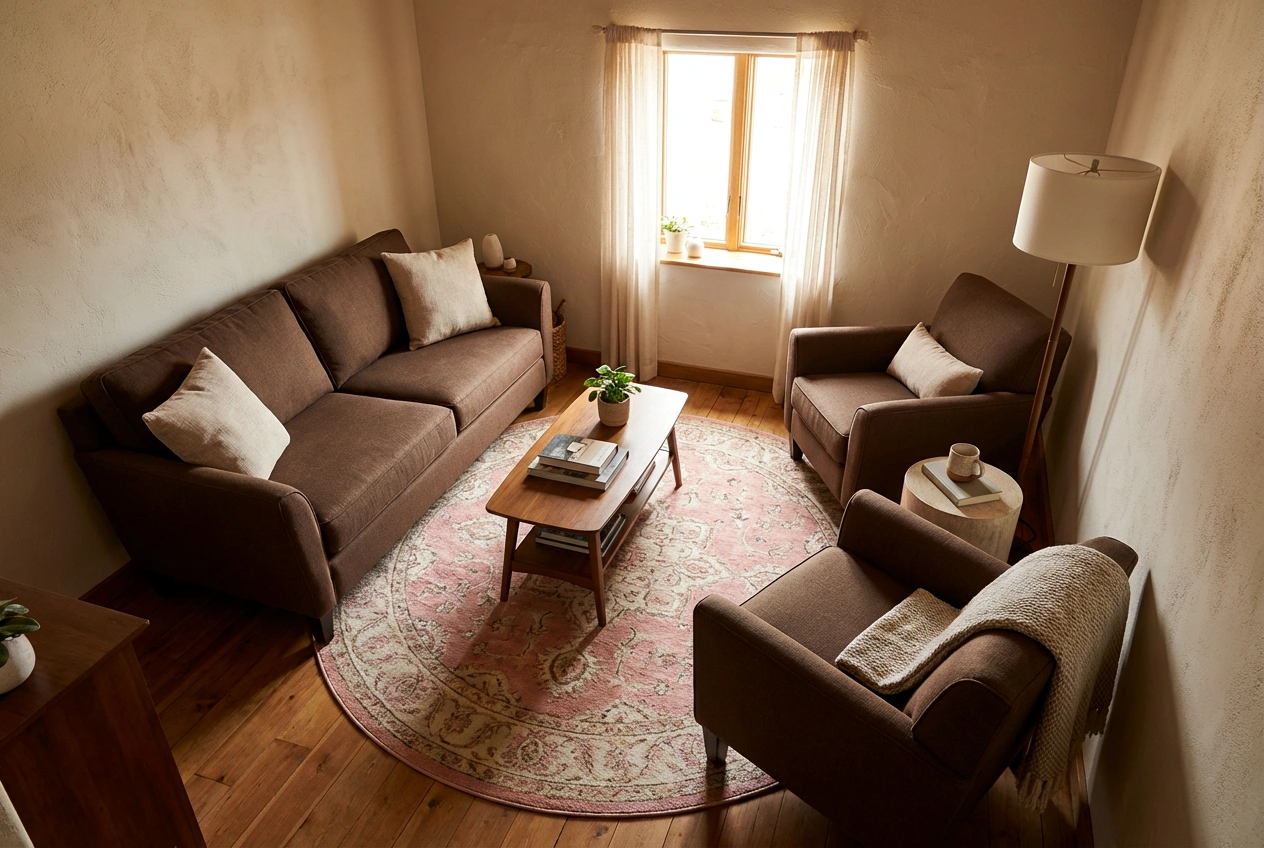
9 Must-Try Living Room Decor Ideas and Layout Ideas for Small Spaces You’ll Love
Transforming a compact living area can feel like a daunting puzzle. However, with the right living room decor ideas, even the coziest nook can become a stylish, functional, and deeply personal sanctuary. This guide is dedicated to unlocking the potential of your small space, moving beyond mere survival to create a room that thrives. We’ll explore nine transformative concepts that blend smart layout strategies with aesthetic flair, ensuring your home feels open, inviting, and uniquely yours. Ultimately, great design isn’t about the square footage you have, but how creatively you use it.
Introduction to 9 Must-Try Living Room Decor Ideas and Layout Ideas for Small Spaces You’ll Love
Navigating the world of small-space design requires a shift in perspective. The goal is no longer just to fill a room, but to curate an experience that maximizes every inch while reflecting your personality. These nine essential living room styling concepts are curated to solve common spatial challenges, from awkward corners to limited storage. They champion a philosophy of “less but better,” where multifunctional furniture, clever visual tricks, and intentional layouts work in harmony.
Imagine a space that feels both airy and intimate, modern yet cozy, and entirely tailored to your lifestyle. Whether you’re a renter seeking non-permanent solutions, a new homeowner on a budget, or a design enthusiast craving a refresh, these principles are your blueprint. We’ll delve into layouts that improve flow, decor choices that add depth, and styling tips that inject major character without clutter. By embracing these ideas, you’re not just decorating a room; you’re crafting a haven that enhances daily life, proving that thoughtful design truly has the power to transform.
Why Choose These Ideas for Your Small Living Space
Why do these specific living room design strategies resonate so powerfully in compact areas? Primarily, because they address the core needs of small-space living: functionality, visual expansion, and emotional comfort. A cramped, cluttered room can feel stressful, while a well-designed one promotes calm and efficiency. These ideas serve as a toolkit to achieve the latter.
Firstly, they prioritize intelligent space planning. A clever layout is the invisible foundation of any great room. Ideas like floating furniture and defined zones prevent the space from feeling like a crowded furniture showroom, instead creating clear pathways and purposeful areas for relaxing, entertaining, or working. Secondly, these concepts heavily leverage visual perception. Strategic use of light colors, reflective surfaces, and strategic furniture scaling tricks the eye into perceiving more volume and height. The emotional impact is profound; a room that feels open and organized inherently feels more peaceful and inviting.
Furthermore, these small living room inspirations celebrate versatility and personalization. They are not a one-size-fits-all prescription but a flexible set of guidelines. You can adapt them to a minimalist Scandinavian aesthetic, a vibrant bohemian vibe, or a sleek modern look. This adaptability ensures your space doesn’t just look like a page from a catalog but feels authentically like home. By choosing to implement these ideas, you’re investing in a living environment that works smarter, looks larger, and feels infinitely more welcoming.
Key Elements & Design Components
Essential Decor Items for a Transformative Small Living Room
To bring these living room makeover ideas to life, certain key components act as the building blocks. Thoughtful selection here is crucial for balancing form and function.
- Multifunctional & Scalable Furniture: This is non-negotiable. Opt for a sofa with clean lines and perhaps hidden storage, a sleek coffee table with shelves or drawers, and nesting side tables that can be tucked away. Consider apartment-sized or apartment-scale pieces that fit the room’s proportions without overwhelming it.
- A Light & Cohesive Color Palette: Light, neutral walls (whites, soft grays, pale beiges) act as a reflective canvas, making walls recede. You can then add depth with slightly darker shades on a single accent wall or through your furniture. Maintaining a cohesive palette throughout creates a seamless, expansive flow.
- Strategic Lighting Layers: Overhead lighting alone casts harsh shadows. Combine it with ambient lighting (floor lamps, wall sconces), task lighting (a focused reading lamp), and accent lighting (LED strips behind furniture, small picture lights). This layering adds dimension and makes the room feel larger and more dynamic.
- Vertical Storage & Decor: Utilize your walls! Floating shelves, tall bookcases, and wall-mounted consoles free up precious floor space. Similarly, hanging art and mirrors vertically draws the eye upward, emphasizing ceiling height.
- Reflective & Transparent Surfaces: A large mirror strategically placed opposite a window doubles the light and view. Furniture with glass tops (coffee tables, side tables) and lucite or acrylic accents appear visually weightless, allowing sight lines to continue through them.
Style Variations & Budget-Friendly Alternatives
The beauty of these interior design tips lies in their adaptability. Here’s how to tailor them to your style and wallet.
- For the Minimalist: Stick to a monochromatic scheme with textured fabrics (linen, wool) for warmth. Choose furniture with hidden storage to maintain clean lines. A single, large piece of statement art is more impactful than a gallery wall.
- For the Maximalist/Boho Lover: You can still embrace color and pattern! Use a light-colored rug and sofa as your base. Then, add vibrancy through easily changeable elements like throw pillows, blankets, and a gallery wall of eclectic art. Use baskets and ornate trunks for storage that doubles as decor.
- Budget-Conscious & Renter-Friendly Swaps:
- Paint: Use removable wallpaper or a temporary peel-and-stick tile for an accent wall instead of full-room commitment.
- Floating Shelves: Install sturdy, DIY-friendly bracket shelves instead of built-ins.
- Lighting: Swap hardwired fixtures for plug-in wall sconces and stylish swag pendant lights.
- Rugs: Layer a smaller, bold patterned rug over a large, neutral jute or sisal base rug for a custom look.
- Storage: Use stylish baskets, ottomans with lids, and decorative boxes on shelves instead of investing in expensive custom cabinetry.
How to Achieve the Look: Step-by-Step Styling Guide
Follow this actionable plan to systematically transform your compact living room using our core living room decor ideas.
Step 1: Declutter and Define Your Needs
Begin by ruthlessly editing. Remove items that don’t serve a purpose or bring joy. Then, define how you use the space. Do you need an entertainment center, a reading nook, a home office corner, or ample floor space for kids? Writing down these primary functions will guide every subsequent decision.
Step 2: Map Your Layout on Paper
Before moving a single piece of furniture, measure your room and sketch a floor plan. Experiment with the key small space layout ideas: try the “float-the-sofa” approach away from walls, test a symmetrical arrangement for balance, or plan a smart zoning strategy using a rug and furniture placement to separate the living area from a dining space.
Step 3: Establish Your Color Foundation
Paint your walls (or your largest accent wall) in a light, reflective color. This is the most impactful change for perceiving more space. Choose a primary neutral for walls, a secondary neutral for larger furniture (like a sofa), and select one or two accent colors for pillows, art, and accessories.
Step 4: Select and Place Key Furniture
Invest in your largest piece first—typically the sofa. Ensure it’s scaled appropriately. Then, place it according to your plan, often floating it to create a walkway behind. Add your multifunctional coffee table and primary storage piece (like a media console or bookshelf). Always leave clear traffic paths of at least 24 inches.
Step 5: Illuminate with Layered Lighting
Install your ambient overhead light (consider a dimmer). Then, add a floor lamp in a dark corner for ambient fill, a table lamp on a console for task lighting, and perhaps plug-in wall sconces by the sofa to free up surface space. This step is crucial for adding warmth and dimension.
Step 6: Incorporate Vertical Interest and Reflection
Mount your largest mirror where it can reflect natural light. Install floating shelves above a sofa or beside a window for books and decor. Hang curtains high and wide, from near the ceiling to the floor, to elongate your walls.
Step 7: Layer Textiles for Texture and Comfort
Anchor your seating area with a large, light-colored rug. Then, add softness with throw pillows in varying sizes and textures (knit, velvet, linen). Drape a cozy blanket over the sofa arm. These layers add immense visual interest and tactile comfort without bulk.
Step 8: Accessorize with Intention
This is the finishing touch. Choose a few meaningful decor items—a vase, a sculptural object, a stack of beautiful books—and style them in odd-numbered groups. Leave plenty of negative space on surfaces. Remember, in a small room, every item should earn its place.
Elevating the Look: Advanced Styling Tips
Once your foundation is set, these pro living room styling concepts will add polish and personality.
- Create a Focal Point: Every room needs an anchor. This could be a striking piece of art, a bold media console, a beautiful fireplace, or even your sofa with a collection of artful pillows. Arrange your furniture to converse with this focal point.
- Play with Scale: Introduce one or two items with slightly larger scale, like a big piece of art or a substantial floor plant (a fiddle leaf fig or olive tree). This unexpected element can make the room feel more dynamic and deliberately designed, not just filled with small things.
- Use Reflective Materials Beyond Mirrors: Incorporate metallics, like a brass lamp base, a glass side table, or glossy ceramic accessories. These catch and bounce light around the room throughout the day.
- Embrace the “Look Up” Strategy: Draw the eye upward with a statement light fixture, molding painted in a contrasting color, or by extending your curtain rods wider than the window frame. This emphasizes vertical space.
- Style Your Shelves Thoughtfully: Use the “rule of thirds” for shelf styling. Combine vertical (books), horizontal (a stack), and sculptural (a vase) items. Leave 30% of the shelf space empty to avoid a cluttered look.
Maintenance & Care: Keeping Your Space Fresh
A well-designed small space requires mindful upkeep to retain its sense of openness and calm.
- The One-In, One-Out Rule: To prevent clutter creep, adopt this simple policy. When a new decor item, pillow, or book comes in, ensure an old one finds a new home (donate, sell, or store).
- Regular Surface Resets: Weekly, clear all flat surfaces (coffee tables, consoles, shelves) and dust them. Then, only return the essential and most beautiful items. This five-minute habit is transformative.
- Fabric Care: Vacuum rugs and upholstery regularly. Use washable covers for throw pillows and blankets, and rotate or flip cushions to ensure even wear. This maintains a fresh, clean aesthetic.
- Seasonal Refreshes: You don’t need a full redesign to change the vibe. Swap out throw pillow covers and blankets for lighter linens in summer and heavier knits in winter. Change the scent of a candle or the arrangement of your shelf decor to keep the space feeling new and intentional.
FAQs: Frequently Asked Questions About Small Living Room Decor
Q: What is the biggest mistake people make in small living room design?
A: The most common error is using oversized furniture. It instantly swallows the room. Similarly, pushing all furniture against the walls can create a hollow, uninviting “dentist’s waiting room” feel in the center. Smart living room design for small spaces often involves scaling down furniture and floating key pieces.
Q: Can I use dark colors in a small living room?
A: Absolutely! While light colors are generally recommended, a deep, moody color on a single accent wall (behind the sofa or TV) can add incredible depth and sophistication, making the wall visually recede. The key is balance—pair it with ample lighting, reflective surfaces, and lighter-colored furnishings.
Q: How do I add enough storage without making the room look cluttered?
A: Focus on closed storage and vertical solutions. A media console with cabinets, an ottoman with a lid, and tall, narrow bookcases are your friends. Then, style the open shelves minimally. Use uniform baskets or bins on open shelving to corral items like remotes and magazines neatly.
Q: I’m a renter. How can I implement these ideas without making permanent changes?
A: Many of the best living room decor ideas are renter-friendly! Use removable wallpaper, tension-rod curtains hung high, plug-in lighting, large stand-alone mirrors, and multi-functional furniture you can take with you. Command strips are invaluable for hanging art and lightweight shelves without damaging walls.
Q: How many accent colors should I use?
A: For a cohesive look in a small space, limit your palette. Start with a base of 2-3 neutrals (e.g., white, warm gray, beige). Then, add 1-2 accent colors for pillows, art, and small accessories. This provides enough interest without creating visual chaos.