
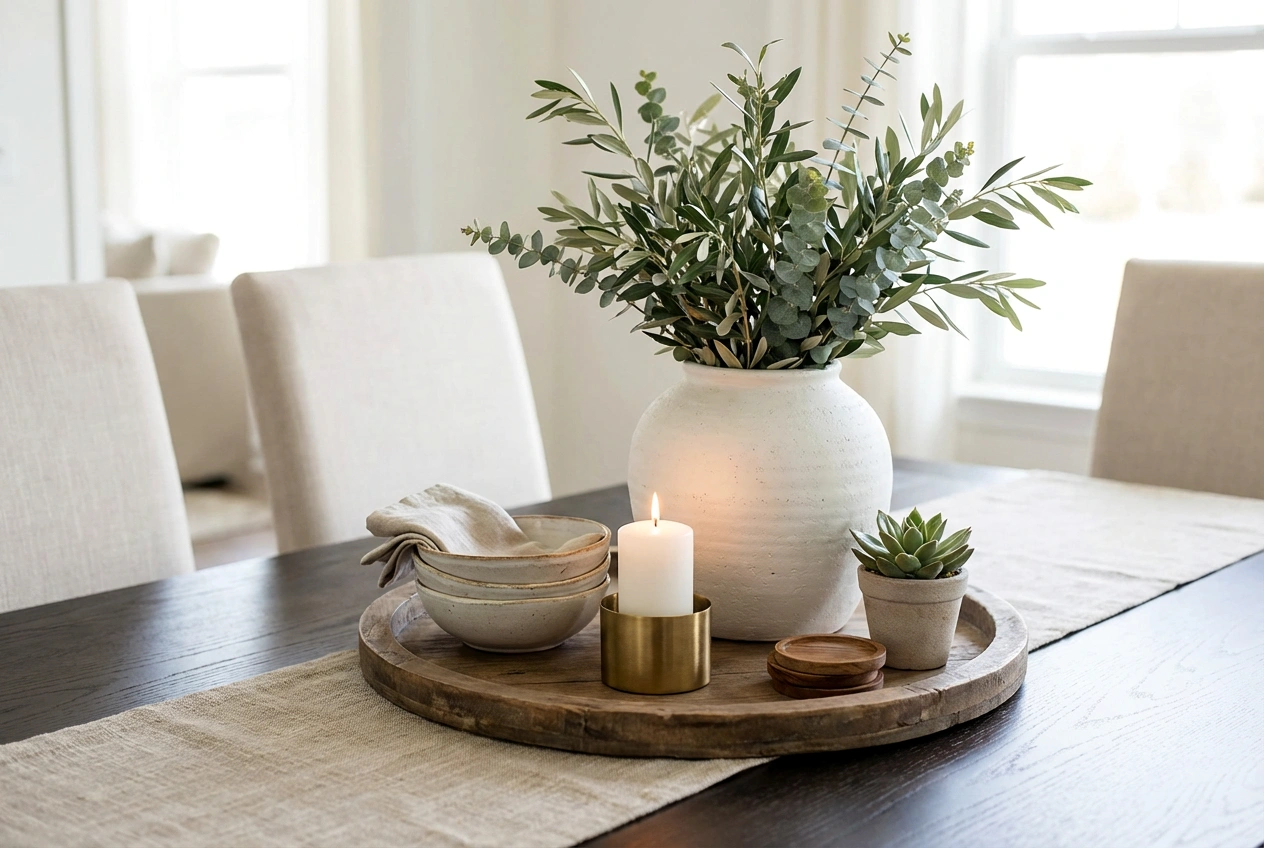
Stylish Center Piece for Dining Table Ideas: Elevate Your Table Decor Effortlessly
Introduction to Stylish Center Piece for Dining Table Ideas: Elevate Your Table Decor Effortlessly
The dining table is more than just a piece of furniture; it’s the heart of the home, a stage for shared meals, heartfelt conversations, and cherished memories. Consequently, its adornment holds a special power to set the tone for these moments. A thoughtfully chosen center piece for dining table is the secret ingredient that can transform this central hub from a simple eating area into a captivating focal point of style and personality. This decorative anchor is not merely an afterthought; it is a deliberate design statement that reflects your aesthetic, welcomes your guests, and elevates the entire ambiance of your dining space.
Whether you crave the serene simplicity of a minimalist arrangement, the lush abundance of a botanical display, or the warm glow of candlelight, the perfect table centerpiece acts as a visual anchor. It creates harmony, introduces texture and color, and, most importantly, infuses your home with a sense of intention and care. This guide is designed to inspire you to move beyond the ordinary. We will explore a myriad of stylish table centerpiece ideas that cater to every taste and budget, proving that with a little creativity, you can effortlessly elevate your table decor and turn every meal into a special occasion. From grand, statement-making installations to subtle, everyday elegance, the journey to a more beautiful dining experience begins right here.
Why Choose a Stunning Centerpiece for Your Dining Table?
Investing time in curating a beautiful dining table centerpiece is a small act with a significant impact. Firstly, it serves a crucial aesthetic function by providing a visual anchor for the room. A well-styled table runner or a captivating floral arrangement draws the eye, creating a natural focal point that grounds the entire dining area. This is especially important in open-plan living spaces, where a defined dining zone needs visual demarcation. Beyond aesthetics, a centerpiece contributes to the atmosphere. Imagine a low, sprawling arrangement that encourages easy conversation across the table, or the intimate, flickering light of candles that softens the mood for a dinner party. The right table decor directly influences the emotional experience of a meal.
Furthermore, a centerpiece is an unparalleled opportunity for personal expression. It is a rotating canvas where you can showcase seasonal finds, heirloom pieces, or collections that tell your story. A bowl of foraged autumn gourds, a collection of vintage glass bottles with single stems, or a modern sculptural object all speak volumes about your personal style. This flexibility also makes it incredibly functional; you can easily switch your table’s look for holidays, seasons, or even just a change of pace without a major redecorating project. Ultimately, a beautiful dining table arrangement is an act of hospitality. It signals to family and guests that this space, and this time together, is valued and celebrated. It transforms daily routines into rituals and ordinary dinners into memorable gatherings.
Key Elements & Design Components
Essential Decor Items for a Captivating Table Center
Creating a stunning tablescape is akin to composing a beautiful song—it requires a balance of different elements working in harmony. Here are the essential components to consider for your dining table decor:
- The Foundation (Vessels & Trays): Every great arrangement starts with a base. This could be a classic vase, a rustic wooden dough bowl, a sleek ceramic platter, or a metallic tray. The vessel sets the style tone—a marble slab whispers modern luxury, while a woven rattan tray suggests coastal ease. Consider the scale; a long, low trough is perfect for a rectangular table, while a round compote bowl suits a circular one.
- The Focal Material: This is the “main event” of your centerpiece. Fresh flowers and lush greenery are timeless choices, offering color, life, and scent. For longer-lasting options, consider dried botanicals like pampas grass, preserved eucalyptus, or bleached branches. Don’t overlook non-floral elements: a curated collection of coffee table books, a stack of artisanal ceramics, a bowl of polished fruit, or an assortment of pillar candles can be equally compelling.
- Supporting Textures & Heights: Visual interest comes from variety. Combine elements of different heights (using cake stands or stacked books to elevate items) and textures (smooth glass, rough stone, soft moss, glossy citrus). This creates depth and prevents the arrangement from looking flat.
- Ambient Lighting: Candlelight is arguably the most magical element you can add. Incorporate pillars, tapers in candlesticks, or a cluster of tea lights in glass votives. The flickering light adds dynamism, warmth, and an irreplaceable ambiance to evening meals.
- The Table Surface Itself: Remember the canvas! A table runner, placemats, or even the bare wood of the table interacts with your centerpiece. A neutral linen runner can make colorful flowers pop, while a bold, patterned runner might call for a simpler, monochromatic arrangement.
Style Variations & Budget-Friendly Alternatives
The beauty of table decor lies in its adaptability. Your centerpiece should reflect your unique style, whether it’s Modern Minimalist, Rustic Farmhouse, Coastal Chic, or Maximalist Glam. For a minimalist look, focus on a single, sculptural stem in a simple vase. A farmhouse style thrives on layered textures like a dough bowl filled with green apples, nuts, and cinnamon sticks.
Happily, a breathtaking table center does not require a lavish budget. Many impactful ideas use found or repurposed items. For instance, forage interesting branches or autumn leaves from your backyard. Use clear bottles or jars you already have as eclectic vases. A beautiful bowl from your kitchen can hold lemons or ornamental balls. Instead of a large floral bouquet, buy a few inexpensive grocery store stems and spread them out in smaller bud vases for a trendy “line arrangement.” Dried wheat, lavender, or even interesting seed pods can be gathered or bought cheaply for a long-lasting, textural display. The key is creativity and intentionality, not expense.
How to Achieve the Look: Step-by-Step Styling Guide
Crafting the perfect dining table centerpiece is a simple, enjoyable process. Follow these steps to build a balanced and beautiful arrangement.
Step 1: Define Your Vibe and Clear the Canvas
Begin by deciding the mood you want to create. Is it for a formal dinner party, a cozy family breakfast, or an everyday elegant look? Then, completely clear your dining table. This gives you a fresh, clean canvas to work on and allows you to assess the space without distraction.
Step 2: Lay Your Foundation
Place your foundational layer. This is typically a table runner, a set of placemats, or a large tray that will anchor your items. Ensure it is centered and proportional to your table. A good rule is to leave at least 12 inches of space from the edge of the table to the edge of your arrangement for place settings.
Step 3: Position Your Anchor Vessel
Place your main vessel (the large bowl, tray, or primary vase) in the center of your foundation. If your table is long, you might use two or three smaller vessels spaced evenly down the center. This vessel will hold your focal material.
Step 4: Build with the “Rule of Three”
Our eyes find odd numbers of objects more appealing and dynamic. Start building your arrangement by grouping items in threes. For example, your anchor vase, plus two complementary candlesticks. Or three vases of varying heights in a row. This creates instant visual rhythm.
Step 5: Add Your Focal Material
Now, add your star player. Arrange your flowers, fill your bowl with fruit or ornaments, or position your sculptural object. For florals, create a shape that complements your table—a loose, organic line for a long table, or a rounded mound for a square table. Remember to vary heights within the arrangement itself.
Step 6: Incorporate Layers and Texture
This is where the magic happens. Surround your focal point with supporting textures. Tuck in sprigs of greenery around the base of a vase. Scatter a few loose pinecones or pebbles around a candle cluster. Drape a strand of beads or a delicate string of fairy lights for a touch of whimsy. The goal is to create a cohesive “scene” rather than isolated objects.
Step 7: Integrate Lighting
Strategically place your candles. Distribute them evenly to avoid dark spots. For safety and aesthetics, ensure candles are in stable holders and that flames are well below any overhanging floral or greenery. Light them just before your meal to enjoy the full effect.
Step 8: Step Back and Edit
Finally, take a few steps back and view your table from different angles, especially from where guests would sit. Remove any item that feels cluttered or out of place. Sometimes, less is more. The best dining table centerpiece feels intentional, balanced, and inviting, not overcrowded.
Elevating the Look: Advanced Styling Tips
Once you’ve mastered the basics, these advanced tips will add a professional, polished touch to your table decor.
- Consider Sightlines: A crucial but often overlooked rule is to keep your centerpiece low enough (under 12-14 inches) or narrow enough that guests can see each other across the table. Conversation is key! Use risers for visual interest at the ends of the table, keeping the middle clear.
- Reflect the Surroundings: Let your table decor converse with the rest of the room. Pull a color from your artwork or curtains into your floral choice. Echo the material of your light fixture (e.g., brass candlesticks with a brass chandelier). This creates a cohesive, designed feel.
- Embrace Asymmetry: While balance is important, perfect symmetry can sometimes feel static. Try an asymmetrical arrangement—a large vase on one end balanced by a cluster of smaller objects and a candle on the other. This feels modern and dynamic.
- Incorporate the Unexpected: Use non-traditional items as vessels. A vintage teapot, a pair of rain boots for a garden party, or a hollowed-out pumpkin in the fall can add incredible personality and charm to your table center decoration.
- Play with Scent: Engage another sense by incorporating natural scents. Herbs like rosemary and mint in your greenery, citrus fruits in a bowl, or subtly scented candles can make the dining experience even more immersive and memorable.
Maintenance & Care: Keeping Your Space Fresh
A beautiful centerpiece is a joy, but maintaining its freshness ensures it continues to elevate your space.
For fresh floral arrangements, change the water every other day and re-cut the stems at an angle to prolong their life. Remove any wilted leaves or flowers promptly. For dried or preserved botanicals, they require minimal care but will gather dust. Use a hairdryer on a cool, low setting to gently blow dust away every few weeks.
Candles should be trimmed to ¼ inch before lighting to ensure an even burn and prevent smoking. Store spare candles in a cool, dark place to prevent fading. Wooden, wicker, or ceramic pieces can be wiped clean with a slightly damp cloth. For seasonal items like pumpkins or pine cones, inspect them occasionally and replace if they show signs of softening or mold.
The simplest maintenance tip is to rotate your decor. Change elements with the seasons, swap out candle colors, or introduce a new vase. This keeps your dining table looking dynamic and prevents your decor from becoming part of the background. A small seasonal update to your table’s focal point is a quick and satisfying way to refresh your entire home’s energy.
FAQs: Frequently Asked Questions About Dining Table Centerpieces
Q: How tall should a dining table centerpiece be?
A: As a general rule, your centerpiece should be low enough (typically under 14 inches) so seated guests can see each other across the table. If you love tall elements like candelabras or large vases, place them at the ends of the table where they won’t block the view.
Q: What can I use instead of flowers for a centerpiece?
A: The alternatives are endless! Consider a bowl of elegant fruit (lemons, green apples, pomegranates), a collection of candles in varying sizes, a tray filled with interesting books and a small objet d’art, a terrarium, a dish of moss and crystals, or a beautiful potted orchid or fern.
Q: How do I style a centerpiece for a small or round table?
A: For small tables, opt for a single, impactful item rather than a spread—a medium-sized vase with a few stems, a solitary candle on a stand, or a small round bowl. For round tables, a round or square arrangement in the very center works best. A rotating tray (lazy susan) with smaller items can be both functional and decorative.
Q: Can I leave my centerpiece on the table all the time?
A: Absolutely! An everyday centerpiece adds constant charm. Choose low-maintenance items like a dish of neutral balls, a succulent garden, or a piece of driftwood. Just scale it down or push it to the side when setting the table for a meal to make room for plates and glasses.
Q: How do I make a centerpiece on a tight budget?
A: Get creative with what you have. Use kitchen jars as vases, forage branches and greenery, paint old bottles, or use books from your shelf as risers. A single type of inexpensive flower (like carnations or alstroemeria) bought in bulk and split into several small bud vases can look incredibly chic and cost very little.