
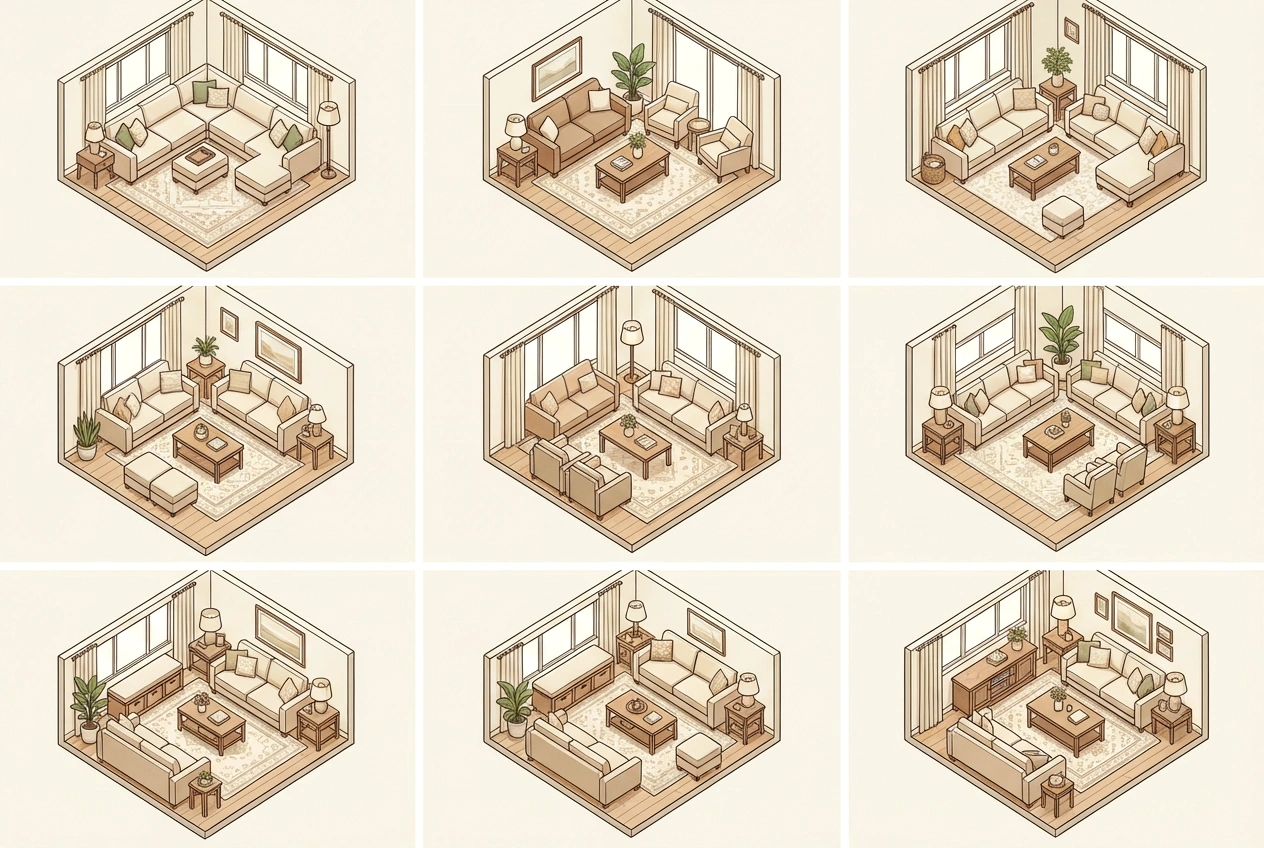
9 Must-Try Living Room Small Ideas: Creative Layouts for Small Spaces You’ll Love
Introduction to 9 Must-Try Living Room Small Ideas: Creative Layouts for Small Spaces You’ll Love
Living in a compact home doesn’t mean sacrificing style or comfort. In fact, small spaces offer a unique opportunity to get creative, intentional, and truly personalize your environment. The challenge of limited square footage can lead to the most ingenious and charming design solutions. This guide is dedicated to unlocking that potential, presenting you with nine must-try living room small ideas that go beyond mere furniture placement. We’ll explore layouts that maximize every inch, enhance flow, and create a sense of spaciousness you never thought possible. Whether you’re in a cozy apartment, a compact city flat, or just have a modestly sized living area, these concepts will transform how you view and use your space.
The essence of great small-space design lies in a blend of smart planning and aesthetic flair. It’s about choosing pieces that serve multiple purposes, utilizing vertical real estate, and playing with light and perception to make the room feel larger and more inviting. Forget the feeling of being cramped; instead, imagine a living room that feels curated, efficient, and deeply personal. From strategic furniture choices to clever visual tricks, these creative layouts for small spaces are designed to inspire you to reimagine your home. Ultimately, a well-designed small living room isn’t just about fitting everything in—it’s about crafting a sanctuary that reflects your personality and supports your lifestyle, proving that good things truly do come in small packages.
Why Choose Creative Layouts for Your Small Living Room
Opting for a thoughtfully designed layout in a compact living room is a transformative decision that impacts your daily life in profound ways. Firstly, it’s a masterclass in functionality. A clever layout ensures that the space works for you, not against you. Every piece of furniture earns its place, circulation paths are clear, and zones for relaxing, entertaining, and working are clearly defined without walls. This intelligent use of square footage eliminates clutter and frustration, creating a home that feels effortless and organized. Consequently, your small living room becomes a model of efficiency, where form and function exist in perfect harmony.
Beyond pure practicality, these small space solutions have a significant emotional and psychological impact. A cramped, cluttered room can feel stressful and draining. Conversely, a living room with a smart, open layout feels airy, calm, and expansive. By using techniques like strategic furniture floating, light-enhancing color palettes, and multi-functional decor, you actively craft an atmosphere of serenity and openness. This sense of visual and physical spaciousness directly contributes to your overall well-being, making your home a true retreat. Furthermore, a well-executed small living room layout showcases your design acumen. It demonstrates a sophisticated understanding of scale, balance, and personal style, turning a potential limitation into your home’s most charming and talked-about feature.
Key Elements & Design Components
Essential Decor Items for a Small Living Room
To execute any of the brilliant living room small ideas, you’ll need to curate your decor with intention. The goal is to select items that are proportionate, versatile, and visually light.
- Furniture: Prioritize pieces with exposed legs (sofas, chairs, consoles) to allow light to flow underneath, creating a sense of airiness. A small-scale, apartment-sized sofa is a must. Look for slim-arm profiles. Additionally, embrace dual-purpose furniture: an ottoman with storage inside, a nesting coffee table set, or a sleek console that can double as a desk.
- Textiles: Stick to a cohesive color story for upholstery, rugs, and curtains to avoid visual choppiness. Use texture (a chunky knit throw, a velvet pillow) to add depth instead of pattern overload. A well-sized rug (large enough for all front legs of seating to sit on) actually anchors and enlarges the perceived space.
- Colors & Finishes: Light, neutral walls (soft whites, pale grays, warm beiges) are classics for making a room feel larger and brighter. However, don’t shy away from using a bold color on a single accent wall or in your accessories for personality. Reflective surfaces like mirrors, glass-top tables, and metallic accents help bounce light around the room.
- Lighting: Layer your lighting. Combine overhead ambient light (a simple flush mount or semi-flush fixture) with task lighting (a floor lamp by a reading chair) and accent lighting (sconces or LED strips on shelves). This creates dimension and allows you to adjust the mood, making the space feel more dynamic and larger.
Style Variations & Budget-Friendly Alternatives
These compact living room concepts can adapt to any aesthetic, from minimalist to maximalist. For a Scandinavian look, focus on light woods, white walls, and functional simplicity. A more eclectic, cozy style might use deeper colors on the walls but keeps furniture low-profile and incorporates plenty of mirrors.
For those on a budget or in rental homes, creativity is key:
* Instead of built-ins: Use a series of matching bookcases or modular cube storage units to create a custom-looking wall unit.
* Instead of painting: Use large, removable peel-and-stick wallpaper on a single focal wall to add depth without commitment.
* Instead of a large sofa: Combine two comfortable armchairs with a small loveseat for more flexible seating.
* Instead of a new coffee table: Repurpose a vintage trunk (adds storage) or use a pair of small stools that can be moved around as needed.
* Instead of recessed lighting: Use plug-in wall sconces or stylish swing-arm lamps to add architectural interest and task light without wiring.
How to Achieve the Look: Step-by-Step Styling Guide
Follow this actionable plan to transform your small living area with a smart, stylish layout.
Step 1: Define Your Zones and Clear the Floor
Start with a completely blank slate. Remove all furniture and assess your room’s architecture. Identify permanent features: windows, doors, radiators, and outlets. Then, mentally define the primary zones you need: a main seating/conversation area, a potential work nook, media space, etc. This planning stage is crucial for all successful small space living room layouts.
Step 2: Choose and Place Your Largest Piece First
Typically, this is your sofa. Resist pushing it against the wall. Instead, experiment with “floating” it in the room to create a walkway behind it, which can make the space feel larger. Place it to face the room’s best feature, like a window or fireplace. Ensure there’s at least 18 inches of walkway around it for easy traffic flow.
Step 3: Build Your Seating Arrangement
Add your secondary seating—armchairs or a loveseat—to create a cohesive conversation area. Arrange pieces in an L-shape or U-shape around a central focal point (like a coffee table or rug). Angle chairs slightly towards the center for an inviting feel. Remember, pieces don’t have to match perfectly, but they should be similar in scale.
Step 4: Introduce a Space-Defining Rug
Place a large area rug that fits under the front legs of all your main seating pieces. This visually unites the furniture and creates a defined “island” within the room, making the layout feel intentional and grounded.
Step 5: Select a Proportional Coffee Table
Opt for a table that is about two-thirds the length of your sofa. Consider alternatives like a pair of smaller tables, a round table (which improves traffic flow), or an ottoman with a tray on top for added versatility in your small lounge design.
Step 6: Utilize Vertical Space with Storage
Look upward for storage solutions. Install floating shelves above a sofa or beside a window. Use a tall, slender bookcase. This draws the eye up, emphasizes room height, and keeps floor space clear, which is a cornerstone of clever apartment living room ideas.
Step 7: Layer in Lighting
Place a floor lamp in a dark corner and a table lamp on a console or side table. Ensure you have light sources at different heights to eliminate shadows and make the room feel warm and expansive.
Step 8: Accessorize with a Light Touch
Finally, add personality with art, plants, and textiles. Hang a large piece of art or a gallery wall to create a focal point. Use a mirror opposite a window to double the light. Add a few well-chosen cushions and a throw for texture and color, but avoid overcrowding surfaces.
Elevating the Look: Advanced Styling Tips
Once your foundational small living room layout is set, these pro tips will add polish and sophistication.
- Create a Focal Point: Direct attention to one key feature. This could be a bold piece of art, a stunning media console, or a beautifully styled bookshelf. A strong focal point gives the eye a place to rest and distracts from the room’s size.
- Play with Scale: Introduce one or two items with slightly larger scale, like a big floor lamp or a substantial piece of art. This unexpected move can trick the eye into perceiving the room as larger. Conversely, ensure most accessories are petite to maintain balance.
- Use Consistent Window Treatments: Hang curtains high and wide. Mount the rod close to the ceiling and extend it several inches beyond the window frame on each side. When opened, this frames the window with fabric, making it appear larger and flooding the room with light.
- Incorporate Reflective Surfaces Strategically: Beyond mirrors, use glossy paint on trim, lacquered furniture, glass accessories, or metallic finishes. These elements catch and scatter light throughout the day, enhancing the airy feel of your cozy compact layout.
- Embrace Negative Space: Don’t feel the need to fill every corner. An empty corner with a single, beautiful plant can feel more serene and intentional than one crammed with furniture.
Maintenance & Care: Keeping Your Small Space Fresh
Maintaining the spacious feel of your small living room ideas is straightforward with consistent habits. Firstly, adopt a “one-in, one-out” rule for decor and belongings to prevent clutter from creeping back in. Dust and clean vertical surfaces like shelves and TV screens regularly, as dust can make a space feel heavy and closed in.
For furniture, vacuum upholstery and fluff cushions weekly to maintain their shape and a tidy appearance. Use baskets or bins within your storage ottomans or shelves to corral small items like remotes, magazines, and blankets, ensuring everything has a designated home. Every few months, take a critical look at your layout. A small seasonal refresh—like switching out cushion covers, rotating art, or simply rearranging a few accessories—can keep the space feeling new and dynamic without a major overhaul.
FAQs: Frequently Asked Questions About Small Living Room Layouts
Q: What is the biggest mistake people make in a small living room?
A: The most common mistake is using oversized furniture. A large, overstuffed sectional can swallow a compact living room. Always measure your space and choose pieces scaled appropriately. Another mistake is pushing all furniture against the walls, which can create a hollow, uninviting center and actually make the room feel smaller.
Q: Can I use dark colors in a small living room?
A: Absolutely! While light colors are classic for expanding a space, a deep, rich color on the walls can create a cozy, intimate, and sophisticated feel. The key is to balance it with adequate lighting, reflective surfaces, and keep other large items (like sofas) in lighter tones to prevent the room from feeling like a cave.
Q: How many seats should I aim for in a small living room?
A: Focus on comfortable, flexible seating for 3-4 people. This could be a small sofa (2-seater) and two armchairs, or a loveseat and a pair of nesting stools that can be pulled out for guests. Ottomans and benches also provide extra seating when needed.
Q: I’m a renter. How can I implement these ideas without making permanent changes?
A: Renters have fantastic options! Use removable wallpaper for accent walls. Choose freestanding, multi-functional furniture (storage ottomans, bookcases). Utilize floor lamps and plug-in sconces instead of hardwired lighting. Command strips and hooks allow you to hang art and mirrors without damage. The core principles of small space solutions—scale, zoning, and vertical storage—are all completely renter-friendly.
Q: How do I handle TV placement in a small layout?
A: Mounting the TV on the wall is the ultimate space-saver, eliminating the need for a large media stand. If you need storage, opt for a low, long console that doesn’t block pathways. Alternatively, place the TV on a swivel mount in a corner to free up wall space for other uses.