
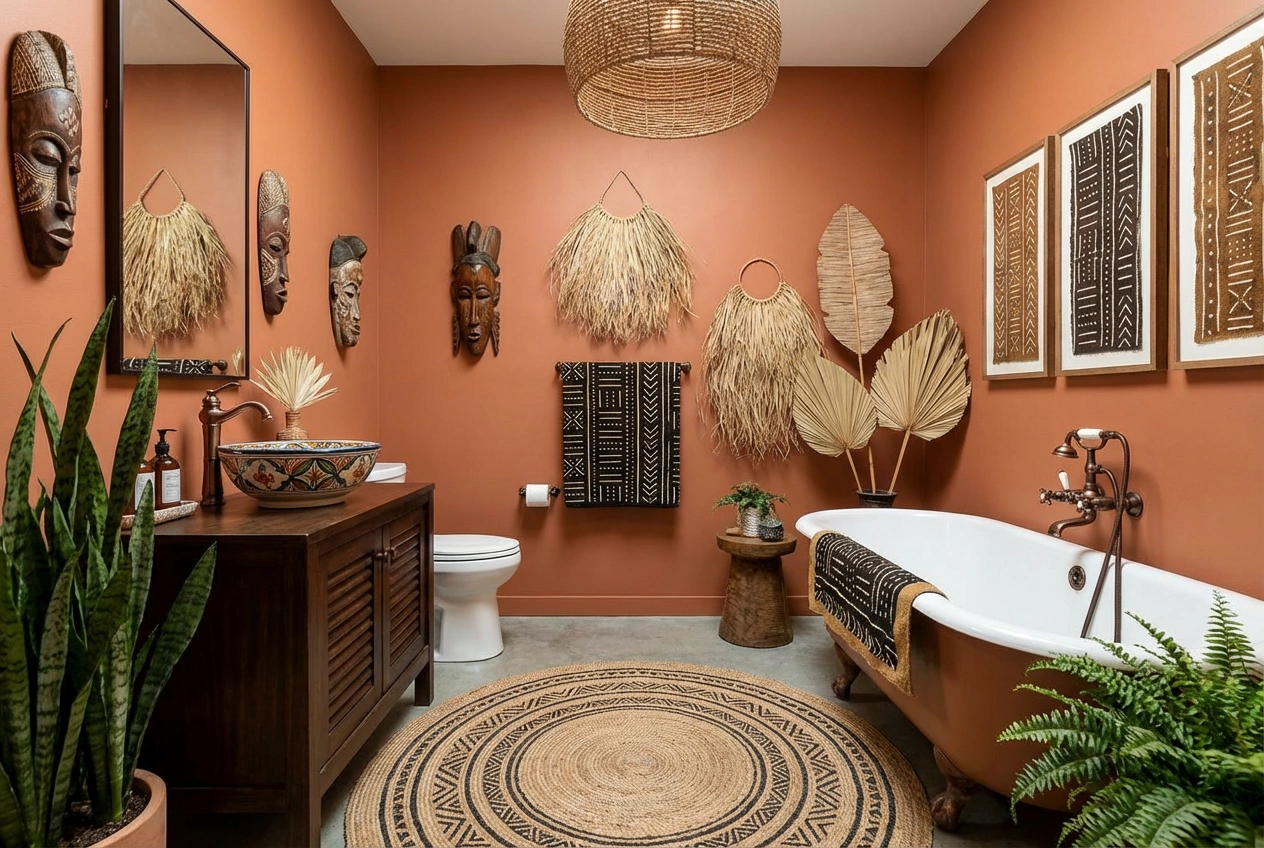
Stylish African Bathroom Decor Ideas: Transform Your Space with Unique Touches and Inspiration
Introduction to Stylish African Bathroom Decor Ideas: Transform Your Space with Unique Touches and Inspiration
Imagine stepping into a bathroom that feels less like a utilitarian space and more like a personal sanctuary, brimming with warmth, history, and soulful character. This is the transformative power of African bathroom decor ideas. Moving beyond clichés, this design philosophy draws from the vast and diverse continent’s rich artistic heritage, natural landscapes, and artisanal craftsmanship to create spaces that are deeply grounding and visually captivating. Whether your taste leans toward the earthy minimalism of a Moroccan riad, the bold, graphic patterns of West African textiles, or the organic textures found across the savannah, African-inspired decor offers a unique path to a bathroom that tells a story.
The core of this aesthetic is connection—to nature, to culture, and to a sense of authentic warmth. It’s a style that masterfully balances raw, organic elements with vibrant bursts of color and intricate handcrafted details. Consequently, by embracing these African-inspired bathroom designs, you move away from cold, sterile environments and cultivate a room that engages the senses. The sound of a woven seagrass basket, the touch of a rough-hewn wooden stool, the sight of indigo-dyed fabric—each element contributes to an atmosphere of serene retreat. This guide will show you how to infuse your bathroom with this unique spirit, proving that with thoughtful touches, you can create a space that is both a functional haven and a profound expression of personal style.
Why Choose African-Inspired Decor for Your Bathroom Space
Choosing an African-inspired theme for your bathroom is about much more than mere aesthetics; it’s a deliberate choice to create a space with emotional resonance and timeless appeal. Firstly, this style is inherently grounding. The predominant use of natural materials—like terracotta, rattan, wood, and stone—forges a direct link to the earth, fostering a calming, spa-like environment that helps wash away the stress of the day. The color palettes, often drawn from sun-baked soils, lush botanicals, and deep ocean blues, work in harmony to create a soothing yet invigorating backdrop.
Furthermore, African decor celebrates authenticity and artistry over mass-produced perfection. Incorporating handwoven baskets, carved soap dishes, or mudcloth prints adds a layer of soul and uniqueness that standard bathroom suites simply cannot replicate. Each piece carries the mark of its maker, transforming your bathroom into a gallery of functional art. This approach also promotes sustainability, as it encourages the use of natural, durable materials and supports artisan communities.
From a practical perspective, the style is remarkably versatile and adaptable. It can be interpreted as a bold, maximalist statement with patterned wallpaper and dark, moody hues, or as a subtle, minimalist accent through a few well-chosen accessories against a neutral base. For renters or those on a budget, the transformative power lies in soft furnishings and decor items, making it an accessible style for anyone. Ultimately, opting for African-themed bathroom accents allows you to craft a space that is not only beautiful and functional but also rich in narrative and emotional warmth, setting it apart from any ordinary bathroom.
Key Elements & Design Components
Essential Decor Items for an African-Inspired Bathroom
To authentically capture the essence of African design, focus on curating a mix of materials, patterns, and artisan pieces. Here are the essential components:
- Natural Material Foundation: Start with the basics. Seek out accessories in terracotta, clay, or ceramic for soap dispensers, toothbrush holders, and plant pots. Incorporate woven elements like rattan, seagrass, or bamboo in laundry baskets, mirror frames, or storage trays. Wood, especially in its raw or lightly finished state, is perfect for shelving, stools, or bath mats.
- Textiles with Story: Fabric is a powerful storyteller. African print bathroom decor often features iconic textiles like:
- Mudcloth (Bògòlanfini): Characterized by its geometric, symbolic patterns in black or brown on a cream background.
- Kente: Known for its vibrant, striped patterns, often used in smaller accents.
- Shweshwe: A printed fabric with intricate geometric designs.
- Kuba Cloth: Made from raffia, featuring abstract, textured patterns.
- Use these as hand towels, shower curtains, or framed art pieces.
- Earthy & Bold Color Palette: Your color story should reflect the continent’s landscapes. Think warm terracottas, ochres, and sandy beiges as base colors. Then, introduce accents of deep indigo, forest green, charcoal black, or vibrant sunset oranges and reds.
- Artisan Accessories & Sculptural Forms: This is where personality shines. Look for hand-carved wooden bowls or sculptures, beaded jewelry dishes repurposed for trinkets, hammered metal mirrors or light fixtures, and traditional pottery. A statement piece like a large, woven basket or a carved mask (if it aligns with your taste) can serve as a stunning focal point.
- Botanical Elements: Plants are non-negotiable. They enhance the organic feel and improve air quality. Choose varieties that thrive in humidity, like snake plants, ZZ plants, or ferns, and place them in textured terracotta or woven pots.
Style Variations & Budget-Friendly Alternatives
The beauty of this aesthetic is its flexibility. Here’s how to adapt it:
- For a Minimalist Look: Stick to a monochromatic base of white, beige, or grey. Introduce texture through a single, large seagrass basket, a mudcloth hand towel, and a sculptural wooden stool. Keep patterns minimal and let the natural materials speak for themselves.
- For a Maximalist Vibe: Don’t be afraid to mix patterns! Pair a bold African print shower curtain with textured wall tiles. Layer multiple rugs, display a collection of baskets on the wall, and use rich, dark paint colors on the walls or vanity.
- Budget-Friendly & Rental-Friendly Swaps:
- Wallpaper: Use removable, peel-and-stick wallpaper featuring a subtle mudcloth or geometric pattern on one accent wall or inside a niche.
- DIY Textiles: Purchase a yard of African print fabric and hem the edges to create a simple window valance, a table runner for the vanity, or to frame as art.
- Accessory Focus: You don’t need to remodel. Simply replacing your bath mat, towels, and a few key accessories like soap dispensers and a waste bin with pieces in natural materials and earthy tones can instantly shift the vibe.
- Second-Hunt & Artisan Markets: Look for unique, affordable pieces at thrift stores, flea markets, or online platforms that support African artisans.
How to Achieve the Look: A Step-by-Step Styling Guide
Transforming your bathroom with African decor inspiration is a rewarding process. Follow these steps to build your space layer by layer.
Step 1: Establish Your Earthy Color Palette
Begin by selecting your foundational colors. For a serene base, choose a warm white, sandy beige, or soft grey for walls and tiles. If you’re feeling bold, consider a feature wall in a deep terracotta, charcoal, or indigo. Then, select 2-3 accent colors from the African landscape spectrum—a botanical green, a sunset orange, or a clay red—to be used in textiles and accessories.
Step 2: Layer in Natural Materials and Textures
This is the core of the look. Swap out plastic or chrome accessories for ones in terracotta, wood, or woven fibers. Introduce a bath mat made of jute or bamboo. Add a wooden stool beside the tub or a set of floating wooden shelves. The goal is to create a tactile experience where every surface invites touch.
Step 3: Incorporate Signature Textiles and Patterns
Now, bring in the pattern and story. Choose one key textile as your hero piece. This could be a mudcloth-inspired bathroom shower curtain, a set of Kente-print hand towels, or a Shweshwe fabric framed above the toilet. Use this piece to guide your other pattern choices, ensuring they complement rather than clash. If your hero piece is bold, keep other patterns more subdued.
Step 4: Curate Artisan and Sculptural Accents
Personalize your space with handcrafted items. Place a carved soap dish on the vanity, hang a hammered metal mirror, or display a collection of small terracotta pots on a shelf. Use a beautiful, large serving bowl as a catch-all for bath products. Look for pieces with irregular shapes and handmade imperfections—they add soul.
Step 5: Introduce Lush, Green Plant Life
No African-inspired space is complete without greenery. Add plants in various heights and textures. A tall snake plant in a corner, a trailing pothos on a high shelf, and a small aloe vera on the windowsill will breathe life into the room. Use planters that align with your material story: woven, terracotta, or glazed ceramic.
Step 6: Finalize with Considered Lighting
Lighting should be warm and ambient. Replace harsh, cool-white bulbs with warm-white ones. Consider a rattan pendant light, a beaded lamp, or simple candle lanterns (using LED candles for safety) to cast soft, inviting shadows and highlight your textures and accessories.
Elevating the Look: Advanced Styling Tips
To take your African-inspired bathroom design from great to exceptional, consider these polished touches.
- Create a Focal Point Gallery Wall: Instead of one piece of art, create a curated gallery wall. Mix framed textiles, black-and-white photography of African landscapes, carved wooden plates, and mirrors in organic shapes. Use natural fiber frames or paint existing frames in a unifying matte black or earthy tone.
- Play with Scale and Repetition: Make a dramatic statement with one oversized item, like an extra-large, patterned basket hung on the wall. Conversely, use repetition for impact—line up five identical terracotta pots on a shelf or hang a series of small, woven circles in a grid formation.
- Infuse Scent with Intention: Engage the sense of smell with natural, earthy fragrances. Use essential oil diffusers or soy candles with scents like vetiver, sandalwood, palo santo, or dry grassland. A simple bowl of dried citrus slices and cinnamon sticks also adds a natural visual and aromatic element.
- Reflect Nature in Unexpected Ways: Incorporate elements like a smooth river stone as a soap holder, a bundle of dried grasses or pampas in a vase, or a piece of driftwood as a decorative object. These elements reinforce the organic, grounded feeling.
Maintenance & Care: Keeping Your Space Fresh
Maintaining the natural beauty of your African-inspired bathroom ensures it remains a lasting sanctuary.
- Natural Textiles: Shake out jute or seagrass rugs regularly. Spot clean with a mild detergent and water, and allow them to air dry completely to prevent mildew. For printed fabric items like shower curtains or towels, follow care labels, but generally, wash in cool water and avoid harsh bleach.
- Wooden Items: Wipe wooden surfaces with a barely damp cloth and dry immediately. Periodically treat them with a food-safe mineral oil or beeswax conditioner to prevent drying and cracking, especially in humid environments.
- Terracotta & Ceramics: These are generally easy to clean with mild soap and water. Be mindful that unglazed terracotta is porous; allow it to dry thoroughly to prevent water spots or mold.
- Plant Care: Ensure your plants have proper drainage to avoid root rot. Wipe leaves occasionally to keep them dust-free and efficient at purifying the air. Rotate plants periodically for even growth.
- Refreshing the Look: Seasonally, you can refresh the space simply by switching out textiles—a new set of towels or a different bath mat can offer a quick update. Rearranging your artisan accessories or introducing a new, seasonal plant can also re-energize the room without a major overhaul.
FAQs: Frequently Asked Questions About African Bathroom Decor
Q1: I have a very small, all-white bathroom. Will African decor make it feel smaller or darker?
Not at all! In fact, it can add warmth and dimension. Focus on texture over dark colors. Use a light, woven basket for storage, add a wood-framed mirror, and choose towels in a warm, earthy tone like ochre or sage green. A single, bold piece of textile art can act as a focal point without overwhelming the space.
Q2: How can I incorporate African patterns without it looking like a theme park or cliché?
The key is subtlety and curation. Avoid using stereotypical animal prints everywhere. Instead, choose one authentic, high-quality pattern—like a genuine mudcloth—and let it be the star. Pair it with plenty of solid, neutral colors and natural materials. Focus on the craftsmanship and cultural significance of the pieces you choose.
Q3: I’m on a tight budget. Where should I start?
Begin with the most impactful, affordable changes: textiles and accessories. Swap your bath mat for a natural fiber one, replace your towels with ones in earthy colors, and add a beautiful, handwoven basket for laundry or toilet paper storage. A single piece of artisan pottery on the vanity can also transform the feel of the room.
Q4: Is this style suitable for a family bathroom that needs to be highly functional and durable?
Absolutely. Natural materials like terracotta, sealed wood, and woven fibers are often very durable. Choose easy-to-clean, indoor-outdoor rugs for high-traffic areas. Opt for storage solutions like large, sturdy baskets that are both stylish and practical for containing toys and toiletries. The style’s emphasis on natural, robust materials can make it ideal for a busy household.
Q5: Can I mix African decor with other styles, like modern or Scandinavian?
Yes, this is where the style truly shines. The clean lines of Scandinavian design provide a perfect minimalist backdrop for rich African textures and patterns. Similarly, the organic shapes and natural materials complement modern fixtures beautifully. The rule of thumb is to let one style lead (e.g., modern) and use African elements as the warming, textural accents.