
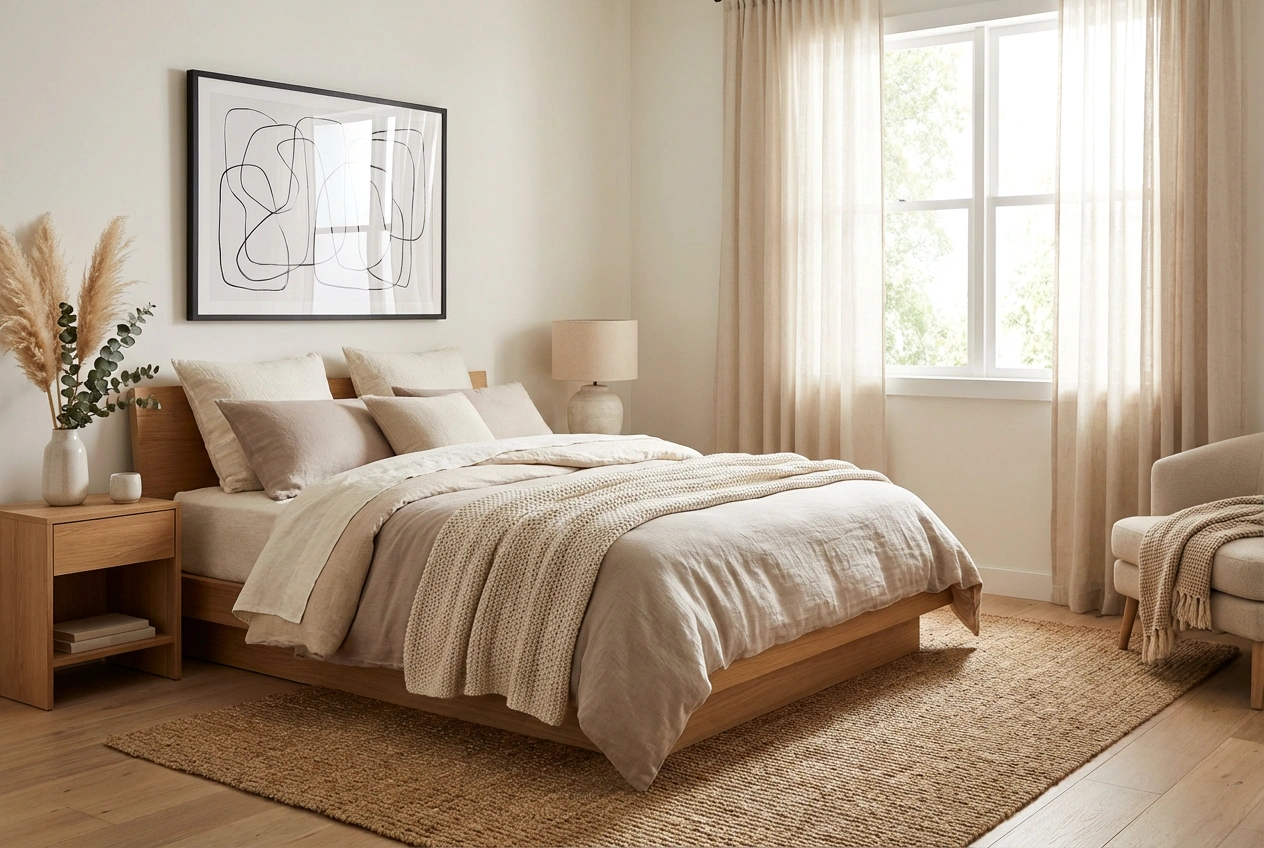
Elevate Your Space with Simple Bedroom Decor: Tips for a Cozy and Stylish Room
Introduction to Elevate Your Space with Simple Bedroom Decor: Tips for a Cozy and Stylish Room
Your bedroom is more than just a place to sleep; it’s your personal sanctuary, a retreat from the world where you recharge and dream. However, creating this haven doesn’t require a massive budget or a complete overhaul. In fact, the most serene and inviting spaces often stem from a philosophy of thoughtful simplicity. This guide is dedicated to the art of simple bedroom decor, a design approach that prioritizes intention over excess, calm over clutter, and personal comfort over fleeting trends. Ultimately, this style is about crafting a room that feels uniquely yours—a cozy, stylish, and functional escape.
The magic of a minimalist bedroom aesthetic lies in its transformative power. By stripping away the non-essential, you highlight the elements that truly matter: quality bedding that invites you to sink in, a soothing color palette that calms the mind, and meaningful pieces of art that spark joy. This isn’t about empty, cold spaces; it’s about curated warmth. Whether you’re a homeowner, a renter with limitations, or a budget-conscious decorator, embracing straightforward bedroom styling can dramatically elevate your daily life. It reduces visual noise, making your space feel larger and more peaceful, while allowing your personality to shine through in deliberate, beautiful ways. Let’s explore how you can achieve this balance and transform your bedroom into the cozy, stylish sanctuary you deserve.
Why Choose Simple Bedroom Decor for Your Space
Opting for a straightforward and elegant bedroom design isn’t merely an aesthetic choice; it’s a commitment to enhancing your well-being and daily functionality. This approach stands out for its remarkable ability to create harmony and intention in your most personal space. Firstly, a minimalist bedroom aesthetic is inherently calming. Our minds process our surroundings constantly, and a cluttered, over-decorated room can subconsciously contribute to stress and anxiety. By contrast, a room designed with clean lines, a restrained color scheme, and clear surfaces promotes mental clarity and relaxation, making it easier to unwind at the end of the day.
Furthermore, simple bedroom decor is incredibly versatile and adaptable. It serves as a perfect foundation that can evolve with your tastes. A neutral base allows you to introduce seasonal accents, swap out throw pillows, or display new artwork without the room ever feeling disjointed. This style is also a champion of small spaces. By avoiding bulky furniture and excessive knick-knacks, you maximize the sense of openness and flow, making even a modest room feel airy and spacious. For renters, the principles of easy bedroom upgrades—like using removable wallpaper, strategic lighting, and layered textiles—offer maximum impact with minimum permanent change.
Finally, this style is deeply personal and sustainable. Instead of filling your space with trendy, disposable items, you are encouraged to invest in fewer, higher-quality pieces that you truly love and that will last for years. This mindful consumption not only creates a more meaningful environment but is also kinder to your wallet and the planet in the long run. In essence, choosing a serene bedroom setup is about creating a backdrop for your life—one that supports rest, reflects your personality, and adapts to your journey.
Key Elements & Design Components
Essential Decor Items for a Simple Bedroom
Achieving a cozy yet stylish room through minimalist principles relies on a few key components. Each item should be chosen with purpose, contributing to the overall atmosphere of tranquility and style.
- The Bed & Bedding: As the undeniable focal point, your bed sets the tone. Opt for a clean-lined bed frame in wood, upholstered fabric, or metal. The investment here is in luxurious bedding. High-quality, crisp cotton or linen sheets in neutral tones form the perfect base. Layer with a textured duvet cover, a lightweight blanket, and a few well-chosen pillows (standard sleeping pillows plus two decorative ones) to create instant depth and comfort.
- A Cohesive Color Palette: Stick to a limited, soothing color scheme. Soft neutrals like whites, creams, beiges, and gentle grays are classic foundations. You can then introduce subtle color through one or two accent hues—think sage green, dusty blue, or warm terracotta—used sparingly in a throw blanket, artwork, or a small accessory.
- Functional, Stylish Storage: Clutter is the enemy of simplicity. Incorporate sleek storage solutions that hide away daily necessities. A minimalist dresser, nightstands with drawers, or a stylish bench with storage at the foot of the bed helps maintain clean surfaces and visual calm.
- Thoughtful Lighting: Layer your lighting to control ambiance. Overhead lighting should be soft (consider a dimmer). Essential additions are focused task lighting, like reading lamps on nightstands, and ambient lighting, such as a floor lamp in a corner or plug-in wall sconces. Warm-white bulbs are key for a cozy glow.
- Intentional Textiles: Texture is what keeps a simple room from feeling sterile. Incorporate different fabrics through a chunky knit throw, a soft wool rug beside the bed, linen curtains, or a velvet accent pillow. These elements add tactile warmth and visual interest.
- Meaningful Art & Decor: Less is more. Choose one or two pieces of wall art that you genuinely love—a large framed photograph, a simple abstract painting, or a woven wall hanging. On surfaces, limit decor to a small tray on a dresser holding a candle and a vase, or a single stack of beautiful books on a nightstand.
Style Variations & Budget-Friendly Alternatives
The beauty of basic bedroom styling is its flexibility. You can adapt the core principles to fit any style preference or financial constraint.
- Style Variations: For a Scandinavian-inspired look, emphasize light woods, white walls, and hygge with extra candles and faux fur. A Modern Organic style blends clean lines with natural materials like rattan, jute, and stone. A Minimalist Japandi fusion focuses on extreme functionality, neutral palettes, and handcrafted wooden elements.
- Budget-Friendly Swaps: You don’t need to buy new furniture. Instead, paint or refinish existing pieces. Use removable peel-and-stick wallpaper on a single accent wall instead of repainting the entire room. Find high-quality bedding and textiles during sales or at outlet stores. DIY abstract art or frame beautiful pages from a old book or magazine. Shop second-hand for unique nightstands or dressers that you can sand and stain. Use large, inexpensive baskets for stylish storage of blankets or clothes.
How to Achieve the Look: Step-by-Step Styling Guide
Follow this actionable guide to methodically transform your bedroom into a serene and stylish retreat.
Step 1: Declutter and Define Your Space
Begin with a blank slate. Remove everything from surfaces, the top of your dresser, and nightstands. Be ruthless in decluttering—donate, sell, or store items that don’t serve a purpose or bring you joy. This process is the most critical step in embracing simple bedroom decor, as it clears the physical and visual space for your new design to breathe.
Step 2: Establish Your Soothing Color Palette
Look at your existing furniture and flooring. Choose a dominant neutral (e.g., soft white or warm beige) for your walls and larger elements. Then, select one or two complementary accent colors. For instance, a base of cream with accents of charcoal and pale blue can create a serene yet defined look. Paint swatches on the wall to see how light changes them throughout the day.
Step 3: Plan Your Functional Layout
Focus on the bed’s placement first; it should ideally be facing the door but not directly in line with it. Ensure there is easy walking space on both sides. Place nightstands symmetrically for balance, or asymmetrically with pieces of similar visual weight for a more dynamic feel. Position your dresser or storage bench where it’s accessible but doesn’t obstruct flow. The goal is a layout that feels open and intuitive.
Step 4: Layer Textiles for Depth and Comfort
Start with the largest textile: your rug. Place a large, soft area rug under the lower two-thirds of your bed to create a cozy landing zone. Then, build your bed layers: fitted sheet, flat sheet, duvet. Add a folded blanket or quilt at the foot of the bed. Finally, arrange your pillows—sleeping pillows against the headboard, then your decorative pillows in front. Mix textures (linen, knit, velvet) within your chosen color palette.
Step 5: Incorporate Strategic Lighting
Install dimmers on your overhead light if possible. Place matching table lamps on both nightstands for symmetry and good reading light. Introduce a third light source, like a floor lamp in a dark corner or plug-in sconces above the bed, to eliminate shadows and create a warm, layered glow perfect for relaxation.
Step 6: Curate Minimal, Meaningful Accessories
This is where personality shines. Hang your chosen piece of art above the bed or dresser—ensure it’s at eye level when standing. On your nightstand, follow the rule of three: a lamp, a small plant or vase with a single stem, and perhaps a book. On your dresser, use a tray to corral a few items like a perfume bottle, a candle, and a jewelry dish. Every item should have a reason to be there.
Elevating the Look: Advanced Styling Tips
Once your foundational simple bedroom decor is in place, these advanced tips will add polish and personality.
- Play with Scale and Height: Add visual interest by varying heights. If you have a low bed, choose taller nightstands or hang a large piece of art above it. A tall floor lamp or a hanging pendant light can draw the eye upward. Conversely, a low-profile bench at the foot of a high bed can ground the space.
- Incorporate Natural Elements: Bring the outside in to add life and serenity. A tall fiddle-leaf fig tree, a simple succulent on a windowsill, or a vase of fresh eucalyptus in the shower (for a spa-like scent) connects the room to nature. Materials like wood, stone, and woven seagrass also enhance this organic feel.
- Focus on Sensory Details: A bedroom should engage all the senses. Invest in high-thread-count sheets that feel incredible. Use a linen or lavender room spray lightly. Ensure window treatments block unwanted light for sleep. The gentle weight of a good blanket can be deeply comforting.
- Create a “No-Tech” Zone: To truly make the room a sanctuary, consider making it a phone- and laptop-free area, especially before bed. Instead, create a small reading nook with a comfortable chair and good lighting, or place a journal on your nightstand.
Maintenance & Care: Keeping Your Space Fresh
The ease of a minimalist bedroom aesthetic extends to its upkeep. A simple routine will keep your sanctuary feeling fresh and inviting.
- Daily Rituals: Make your bed every morning. This single act instantly organizes the room and sets a productive tone for the day. Take a minute before bed to clear any stray items from surfaces back to their designated homes.
- Weekly Cleaning: Dust all surfaces, including nightstands, dressers, and picture frames. Vacuum or sweep the floor and fluff your rug. Wash bedding weekly to maintain that crisp, clean feel that is central to a serene bedroom setup.
- Seasonal Refreshes: One of the joys of a neutral base is how easy it is to update. Switch out heavier wool throws for lightweight linen ones in summer. Change your accent pillow covers to reflect seasonal colors (earthy tones for fall, bright whites for spring). Rotate your artwork or decorative objects every few months to keep the space feeling dynamic without a major redesign.
- Fabric Care: Follow care labels on your textiles. Air out duvets and pillows regularly. Professionally clean area rugs as needed. Spot-clean any spills on upholstered headboards or benches immediately.
FAQs: Frequently Asked Questions About Simple Bedroom Decor
Q: How can I make a simple bedroom feel cozy and not cold?
A: The key is texture and warmth. A minimalist bedroom aesthetic can become cold if it relies solely on smooth surfaces and cool colors. Counteract this by layering multiple textiles (a wool rug, a knit throw, linen curtains), using wood furniture, incorporating warm lighting (2700K-3000K bulbs), and adding a plant or two. These elements introduce tactile and visual warmth that makes the space inviting.
Q: I have a small bedroom. What are the best tips for simple decor?
A: For small spaces, simple bedroom decor is ideal. Use a light, monochromatic color palette on walls and bedding to visually expand the space. Choose furniture with legs (like a bed frame and nightstands) to create a sense of airiness. Utilize vertical space with floating shelves instead of bulky bookcases. Most importantly, prioritize hidden storage to keep clutter off every surface, making the room feel larger and more peaceful.
Q: Can I incorporate color with this style, or does it have to be all neutrals?
A: Absolutely! While neutrals are a classic foundation, you can definitely use color. The principle is restraint. Choose one or two accent colors you love. Use them strategically in small, impactful doses: a colored throw blanket at the foot of the bed, a piece of art with a pop of color, or even painting a single accent wall. This keeps the room feeling calm and intentional while allowing for personal expression.
Q: What’s the biggest mistake people make when trying to achieve this look?
A: The most common mistake is confusing “simple” with “empty.” The goal is curated simplicity, not a barren room. Another error is forgetting about lighting—relying only on a harsh overhead light will ruin the cozy ambiance. Finally, people often skip the essential first step: decluttering. Without removing excess, you cannot successfully layer in the intentional, beautiful elements that define this style.
Q: How do I handle necessary items that aren’t “decorative,” like chargers or tissue boxes?
A: The goal is to minimize their visual impact. Use a stylish box or tray on your nightstand to corral your phone, watch, and charger cords. Choose a tissue box with a neutral cover or hide it in a drawer. The principle is to contain everyday necessities in a way that aligns with the room’s clean aesthetic.